
10 Easy Water Saving Tips for a Greener Home
Save water and reduce waste with simple water saving tips for your home, garden, kitchen, and everyday routine.
10 Easy Water Saving Tips for a Greener Home
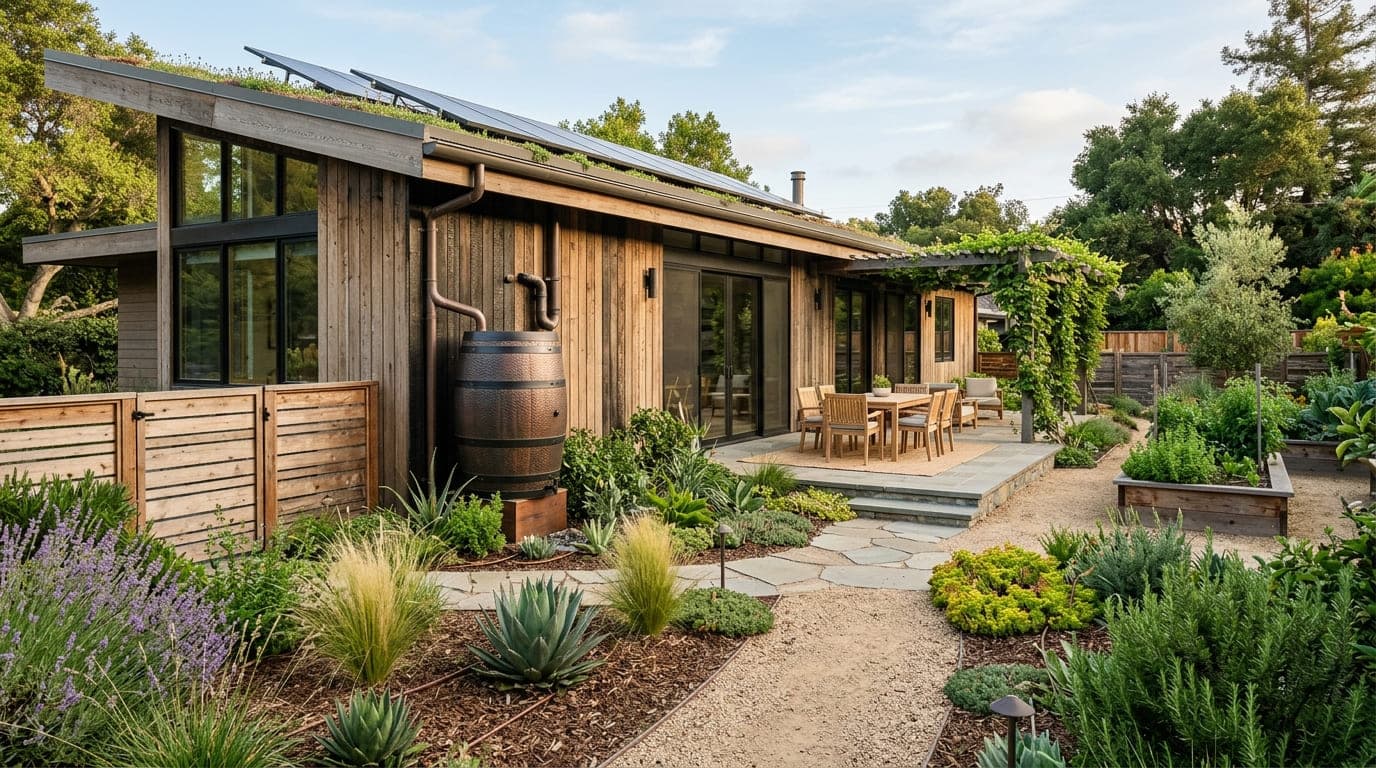
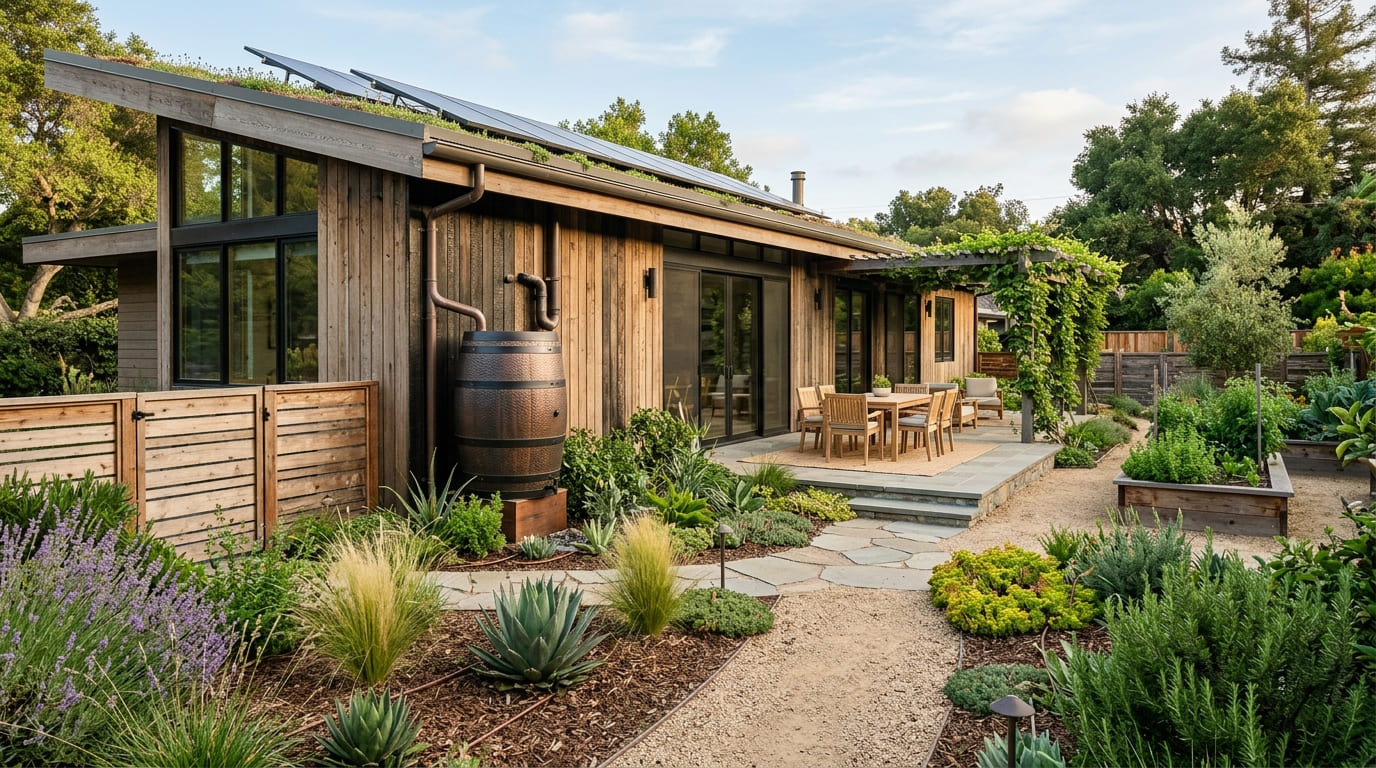
Water saving does not have to be complicated. Small changes in the way you use water at home and in the garden can reduce waste and help you build a more sustainable daily routine.
Fresh water is one of our most important natural resources, yet it is easy to waste more than we realize. A dripping tap, a long shower, inefficient laundry habits, or watering a garden at the wrong time can all increase unnecessary water use.
The good news is that you do not need to completely change your lifestyle. Simple habits can make a meaningful difference over time. Here are 10 easy water saving tips you can start using at home.
1. Fix Leaks Quickly
A small leak may not seem important, but a dripping tap or leaking pipe can waste water continuously. Checking your home regularly can help you identify problems before they become bigger.
- Check dripping faucets.
- Inspect visible pipes for leaks.
- Pay attention to toilets that continue running.
- Repair small problems as soon as possible.
Regular maintenance is one of the simplest ways to prevent unnecessary water waste.
2. Turn Off the Tap When You Do Not Need It
Water can easily run while brushing your teeth, washing your hands, cleaning vegetables, or doing other small tasks.
Turning off the tap whenever running water is not necessary is a simple habit that can reduce waste without making your routine harder.
Simple habit
Turn the tap off while brushing your teeth or while doing any task where you do not actively need running water.
3. Take Shorter Showers
Showers can use a significant amount of water, especially when they last longer than necessary. Reducing shower time is an easy way to make your daily routine more efficient.
- Keep showers reasonably short.
- Turn off the water while applying soap or shampoo.
- Choose efficient shower equipment when replacing fixtures.
You do not need to make dramatic changes. Even a small reduction in shower time can become valuable when repeated every day.
4. Use Your Washing Machine Efficiently
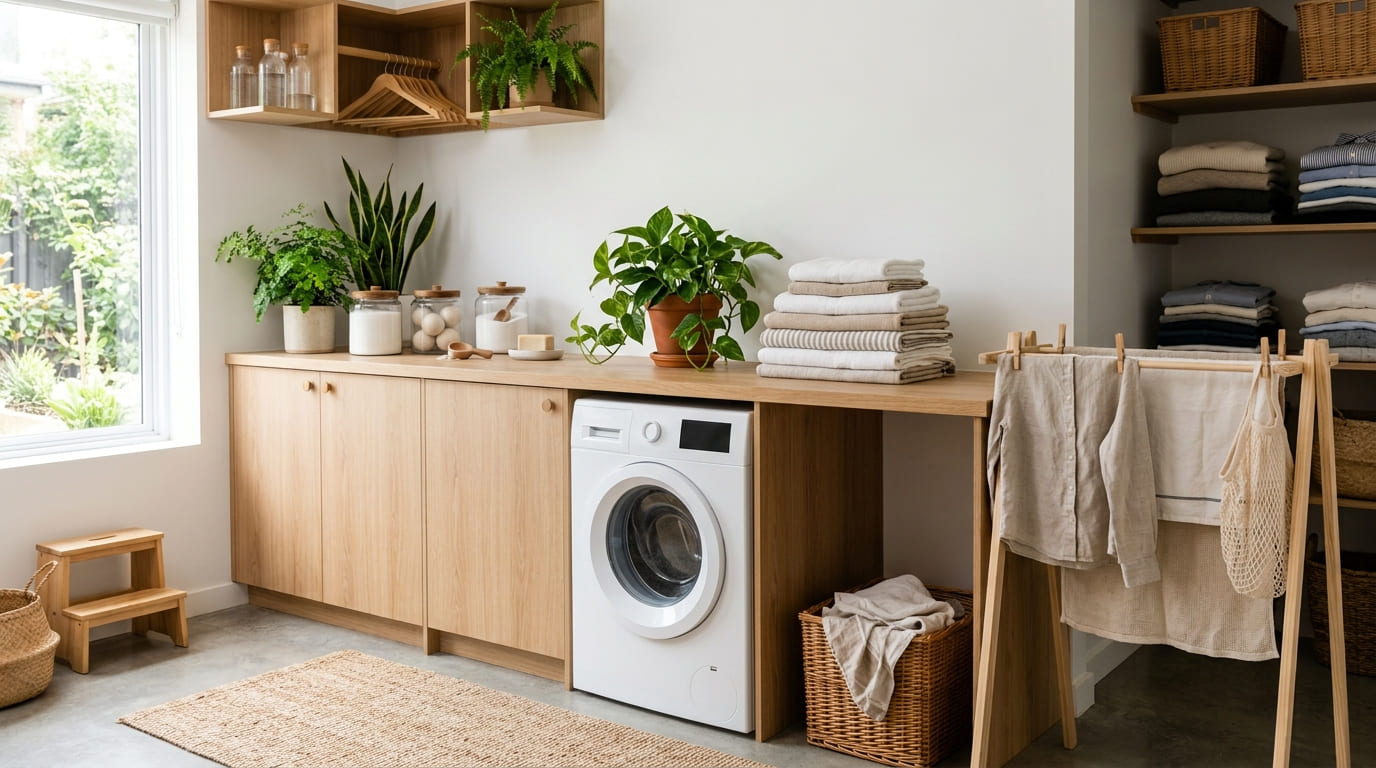
Washing clothes uses both water and energy. Running your washing machine only when you have a suitable load can help avoid unnecessary cycles.
Follow the manufacturer's recommendations for load size and water settings. If your machine offers an efficient or eco cycle, consider using it when appropriate.
5. Save Water in the Kitchen
The kitchen offers many small opportunities for water saving. Instead of letting water run continuously, use only what you need for washing, cooking, and cleaning.
- Wash fruits and vegetables efficiently.
- Do not leave the tap running unnecessarily.
- Use suitable amounts of water when cooking.
- Run the dishwasher only when it has an appropriate load.
Small kitchen habits can become automatic once you practice them consistently.
6. Water Your Garden at the Right Time
Garden watering is especially important because a lot of water can be lost through evaporation. Watering during cooler parts of the day can help plants make better use of available moisture.
Early morning is often a practical choice. Depending on your climate and garden conditions, evening can also work, but avoid creating unnecessarily wet foliage for long periods.
Check the soil before watering rather than following a rigid schedule. Plants should receive water according to their actual needs.
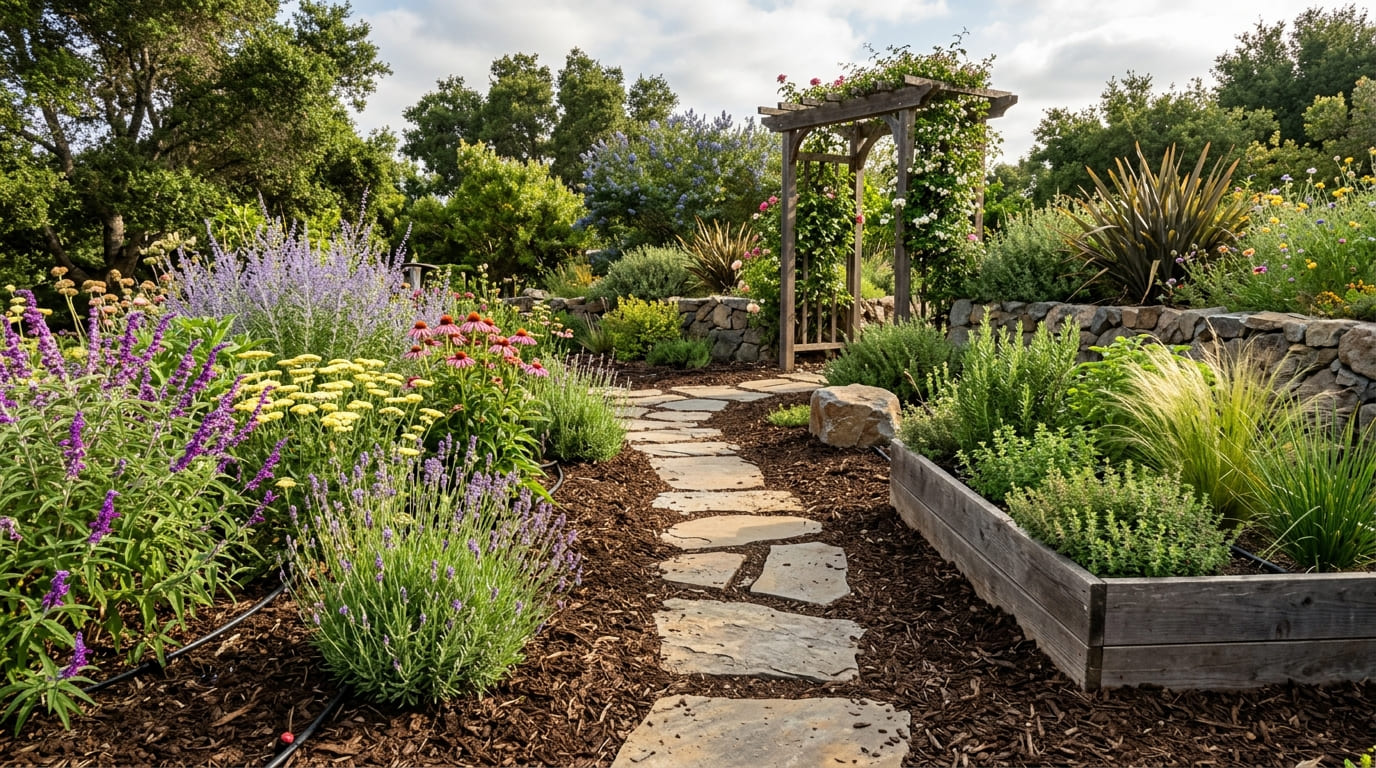
7. Use Mulch to Keep Soil Moist
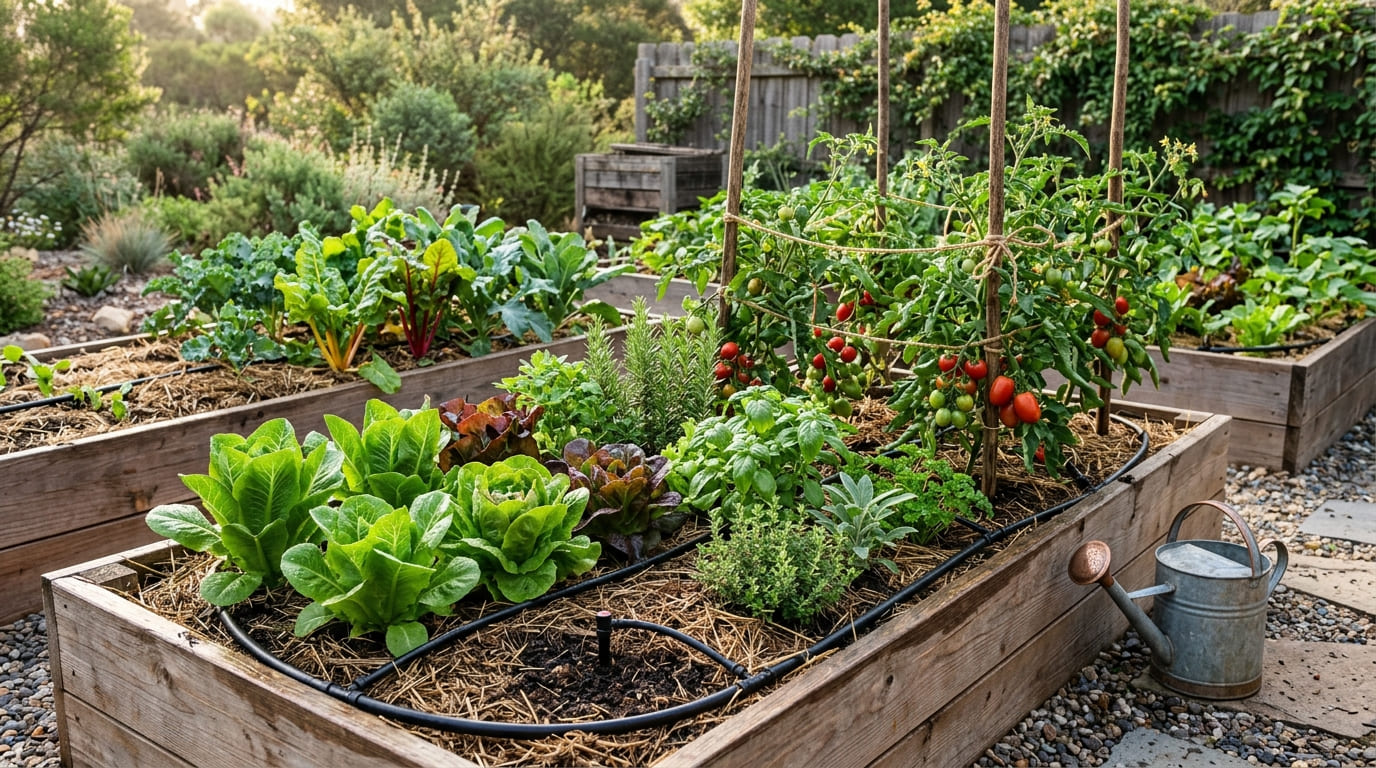
Mulch can help protect garden soil from direct sunlight and reduce moisture loss. Organic materials such as suitable leaves, straw, or other garden mulch can also contribute to healthier soil over time.
- Apply a suitable layer around plants.
- Keep mulch slightly away from plant stems.
- Refresh the mulch when necessary.
- Choose materials that suit your garden.
By helping the soil retain moisture, mulch can make watering more efficient and support healthier plants.
8. Reuse Suitable Clean Water
Some clean water from everyday activities may be suitable for reuse, depending on what it contains and what you plan to use it for.
For example, water collected while waiting for a shower to reach the desired temperature may sometimes be used for appropriate household or garden purposes.
Use common sense
Only reuse water when it is suitable and safe for the intended purpose. Avoid using contaminated or chemically treated water where it could harm plants, people, or the environment.
9. Choose Water-Wise Plants
The plants you choose can have a major effect on how much water your garden needs. Plants that are well suited to your local climate and growing conditions are often easier to maintain.
- Choose plants suited to your climate.
- Group plants with similar water needs.
- Use native or climate-appropriate plants when suitable.
- Avoid choosing plants that constantly struggle in your conditions.
10. Build Simple Water Saving Habits
The most effective water saving strategy is often consistency. Instead of trying to change everything at once, choose a few habits that are easy to repeat.
You could start by turning off the tap, checking for leaks, taking shorter showers, and watering your plants more carefully.
Once these habits become automatic, add another small improvement. Sustainable living becomes much easier when it fits naturally into your everyday routine.
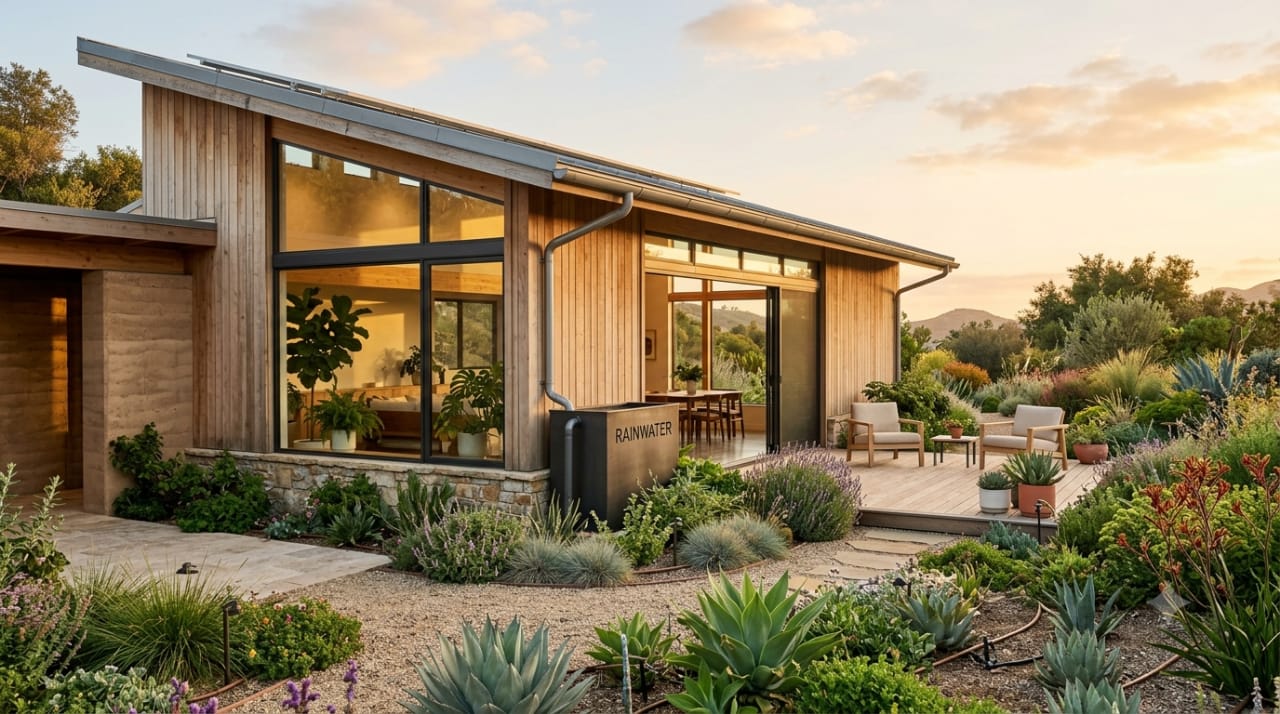
How to Make Water Saving Easier
Water saving works best when it becomes part of your normal routine. The goal is not to constantly think about every drop of water, but to create simple habits that happen naturally.
- Check leaks regularly.
- Keep shower times reasonable.
- Turn taps off when water is not needed.
- Check garden soil before watering.
- Use mulch around suitable garden plants.
- Choose plants that suit your local conditions.
Common Water-Saving Mistakes to Avoid
Trying to save water is positive, but it is important to focus on practical solutions rather than simply using less water regardless of the situation.
- Overwatering plants: More water does not automatically mean healthier plants.
- Ignoring leaks: Small leaks should not be left for long periods.
- Watering at the hottest time: Excessive heat can increase evaporation.
- Choosing unsuitable plants: Plants that do not match your climate may require much more care.
- Trying to change everything overnight: A few consistent habits are often easier to maintain.
Simple Water Saving Checklist
- Check your home for leaks.
- Turn off taps when they are not needed.
- Keep showers reasonably short.
- Use washing machines efficiently.
- Reduce unnecessary water use in the kitchen.
- Water the garden at an appropriate time.
- Use mulch to help retain soil moisture.
- Reuse suitable clean water when appropriate.
- Choose water-wise and climate-appropriate plants.
- Build sustainable water saving habits gradually.
Why Water Saving Is Worth It
Saving water is about more than reducing household consumption. It is also about using an important natural resource thoughtfully.
When you reduce unnecessary water use, you can also reduce the resources needed to treat, heat, pump, and move water around your home.
Most importantly, water saving does not need to be difficult. Simple actions repeated every day can become meaningful sustainable habits over time.
Final Thoughts
Water saving starts with small choices. Fixing leaks, turning off taps, taking shorter showers, improving laundry habits, watering gardens carefully, and choosing water-wise plants can all make your daily routine more efficient.
You do not need to be perfect. Start with one or two changes, make them part of your routine, and gradually add more.
Start Saving Water Today
Choose one water saving habit and start using it today. Then add another when it becomes part of your routine.
Explore Water SavingGet Greener Ideas
Join our newsletter for weekly eco-living tips, gardening guides, and DIY projects.