
10 Easy Energy Saving Tips for a Greener Home
Save energy and lower everyday waste with simple energy saving tips for lighting, heating, appliances, and smart home habits
10 Easy Energy Saving Tips for a Greener Home
Saving energy does not have to mean making big changes all at once. Simple everyday habits can help reduce energy waste, make your home more efficient, and support a greener lifestyle.
From lighting and heating to kitchen appliances and laundry, many small choices can make a meaningful difference over time. The best approach is to start with habits that are easy to maintain and gradually improve your home's energy efficiency.
1. Make Better Use of Natural Light
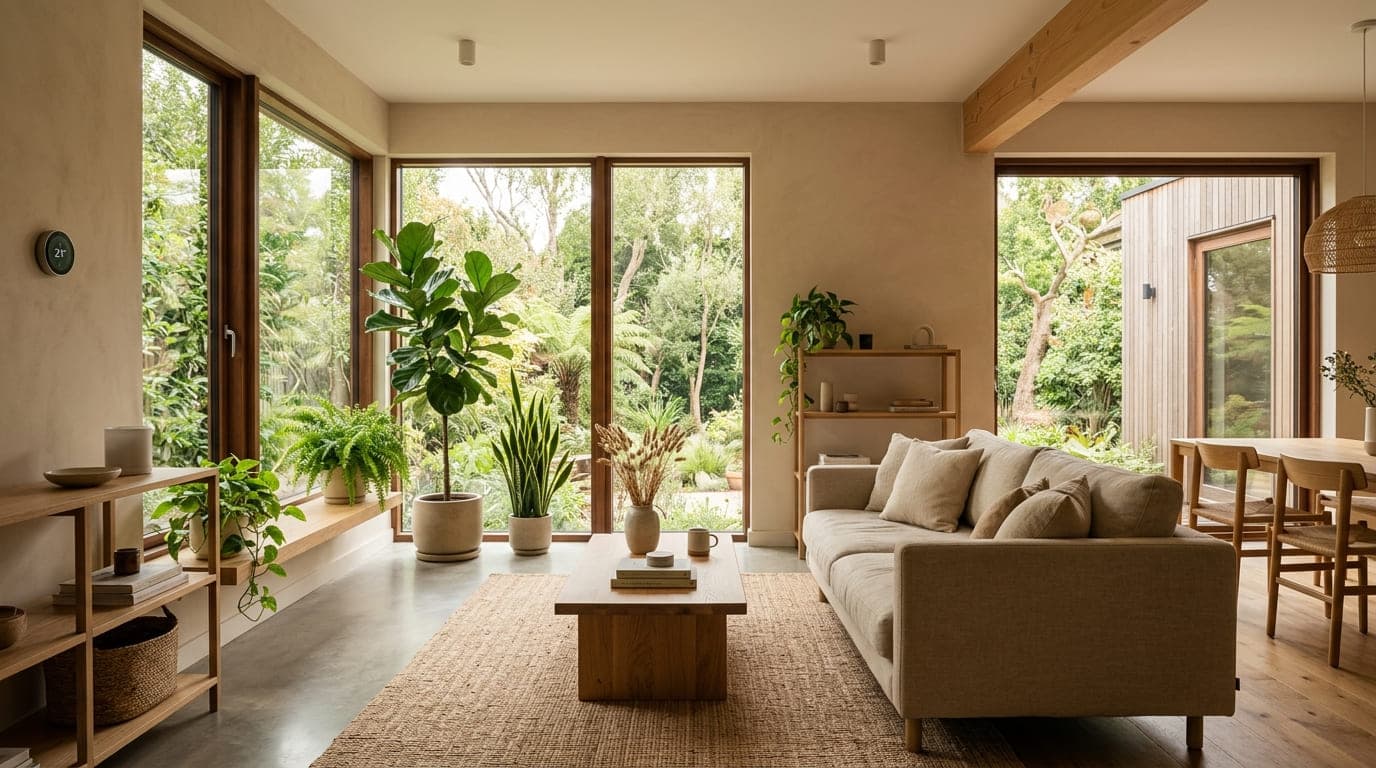
Natural daylight is one of the simplest ways to reduce unnecessary electricity use during the day. Open curtains and blinds whenever possible and arrange furniture so that rooms can benefit from available sunlight.
- Open curtains during bright parts of the day.
- Keep windows clean to maximize natural light.
- Use lighter colors in rooms where practical.
- Turn off artificial lights when natural light is enough.
2. Switch to Energy-Efficient Light Bulbs
Replacing older lighting with energy-efficient bulbs can make everyday lighting more efficient. LED bulbs are a practical option for many homes because they generally use less electricity than traditional incandescent bulbs.
You can start by replacing the bulbs that are used most often instead of changing every light at once.
3. Reduce Heating and Cooling Waste
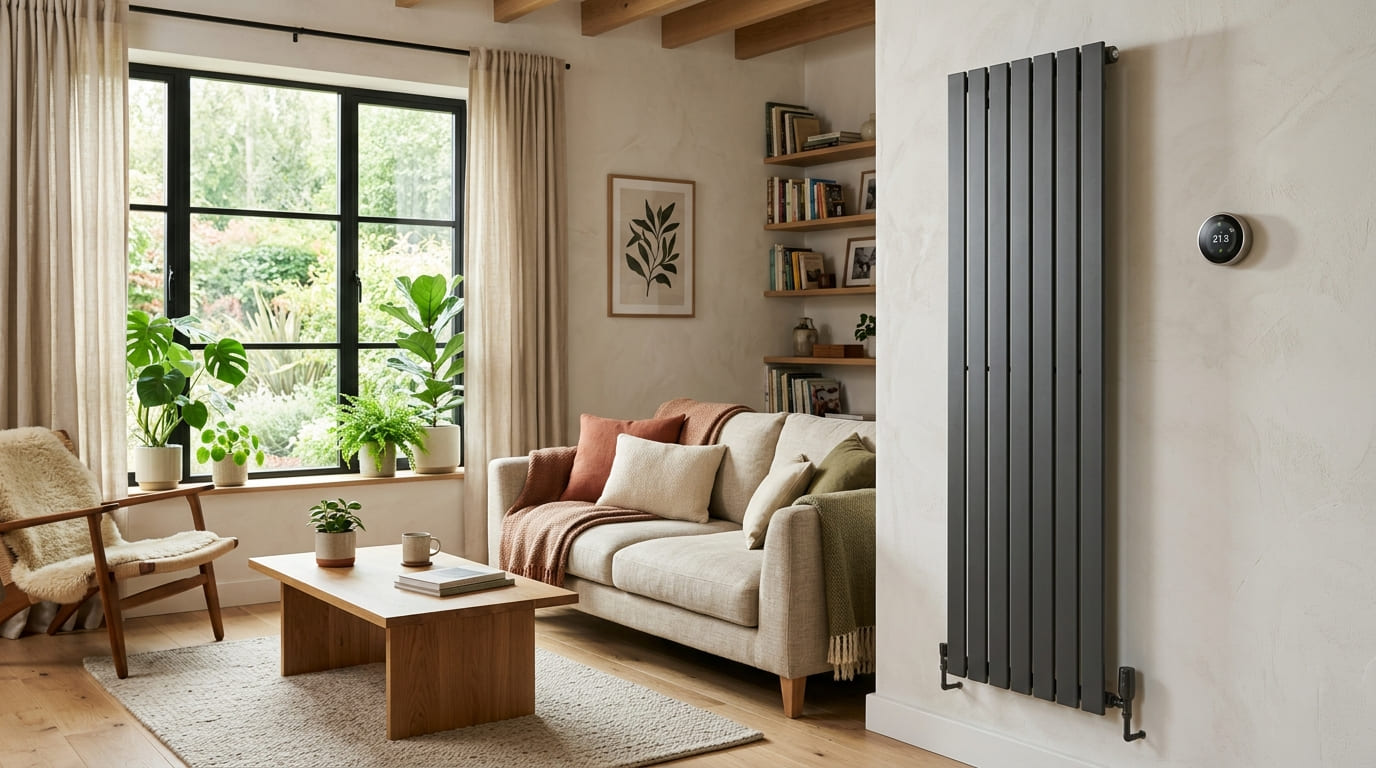
Heating and cooling can account for a significant part of household energy use. Keeping your home comfortable while avoiding unnecessary heating or cooling can help reduce energy waste.
- Keep doors and windows properly closed when heating or cooling.
- Use curtains to help manage indoor temperatures.
- Avoid setting heating or cooling systems unnecessarily high or low.
- Maintain heating and cooling equipment according to the manufacturer's guidance.
4. Use Appliances More Efficiently
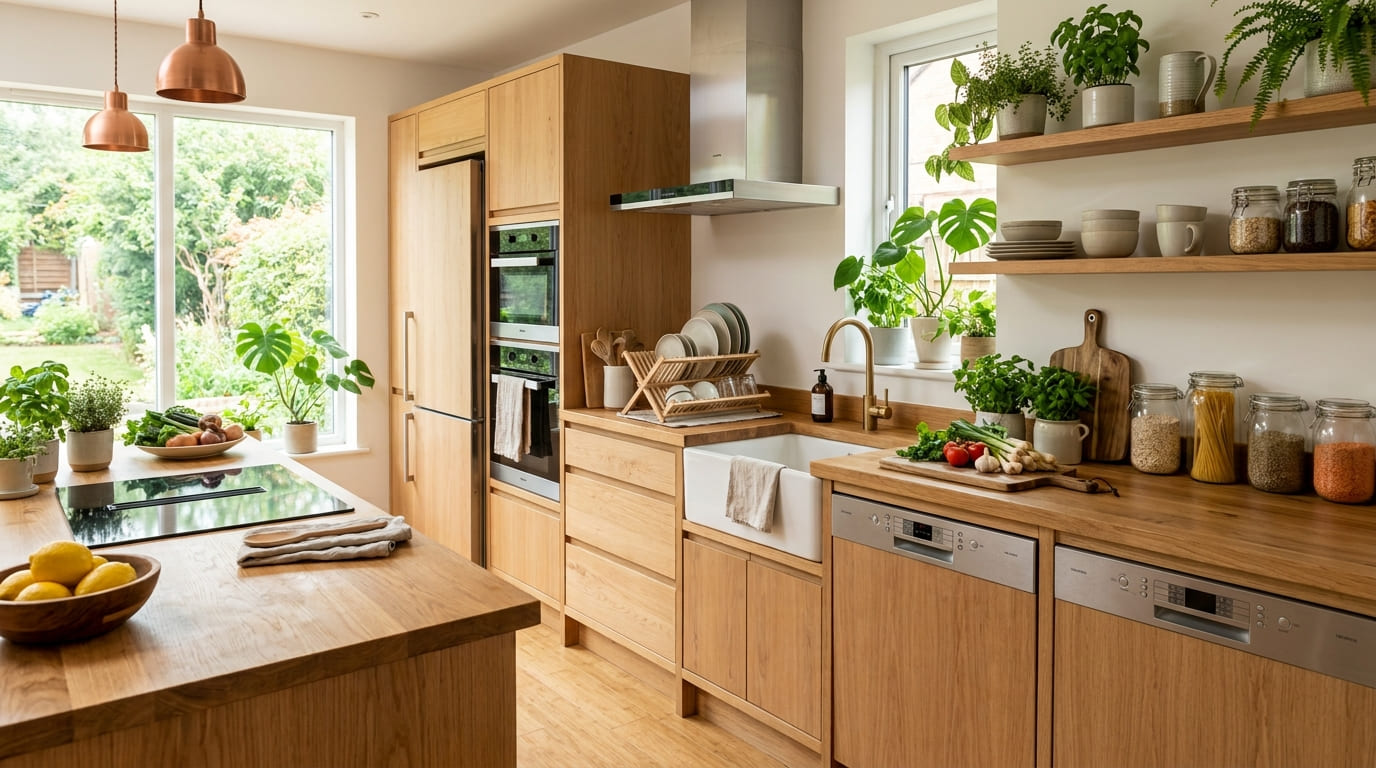
Household appliances can consume energy every day, so using them thoughtfully is an important part of energy saving. Whenever possible, use appliances according to their most efficient settings and avoid running them when they are only partially needed.
- Run dishwashers and washing machines with suitable full loads.
- Use energy-saving settings when they fit the task.
- Keep appliance vents and filters clean when required.
- Follow the manufacturer's maintenance recommendations.
5. Avoid Unnecessary Standby Energy
Some electronic devices can continue using electricity while they are not actively being used. Switching off equipment when it is not needed can help reduce unnecessary energy consumption.
Quick Tip
Pay special attention to devices that stay plugged in for long periods even when you rarely use them. Unplug or switch them off when practical and safe to do so.
 >
6. Make Your Home More Efficient
A more energy-efficient home does not always require a major renovation. Small improvements such as reducing drafts, managing sunlight, and maintaining windows and doors can help make indoor temperatures easier to manage.
- Check for noticeable drafts around doors and windows.
- Use suitable curtains or shades to manage sunlight.
- Keep doors closed between rooms when appropriate.
- Maintain your home's heating and cooling systems regularly.
7. Use Your Kitchen More Efficiently
The kitchen contains several appliances that are used frequently. Simple changes to how you cook, refrigerate, and clean can reduce unnecessary energy use.
- Use appropriately sized cookware for your cooking task.
- Keep refrigerator and freezer doors closed as much as possible.
- Only preheat the oven when the recipe requires it.
- Use smaller appliances when they are suitable for smaller tasks.
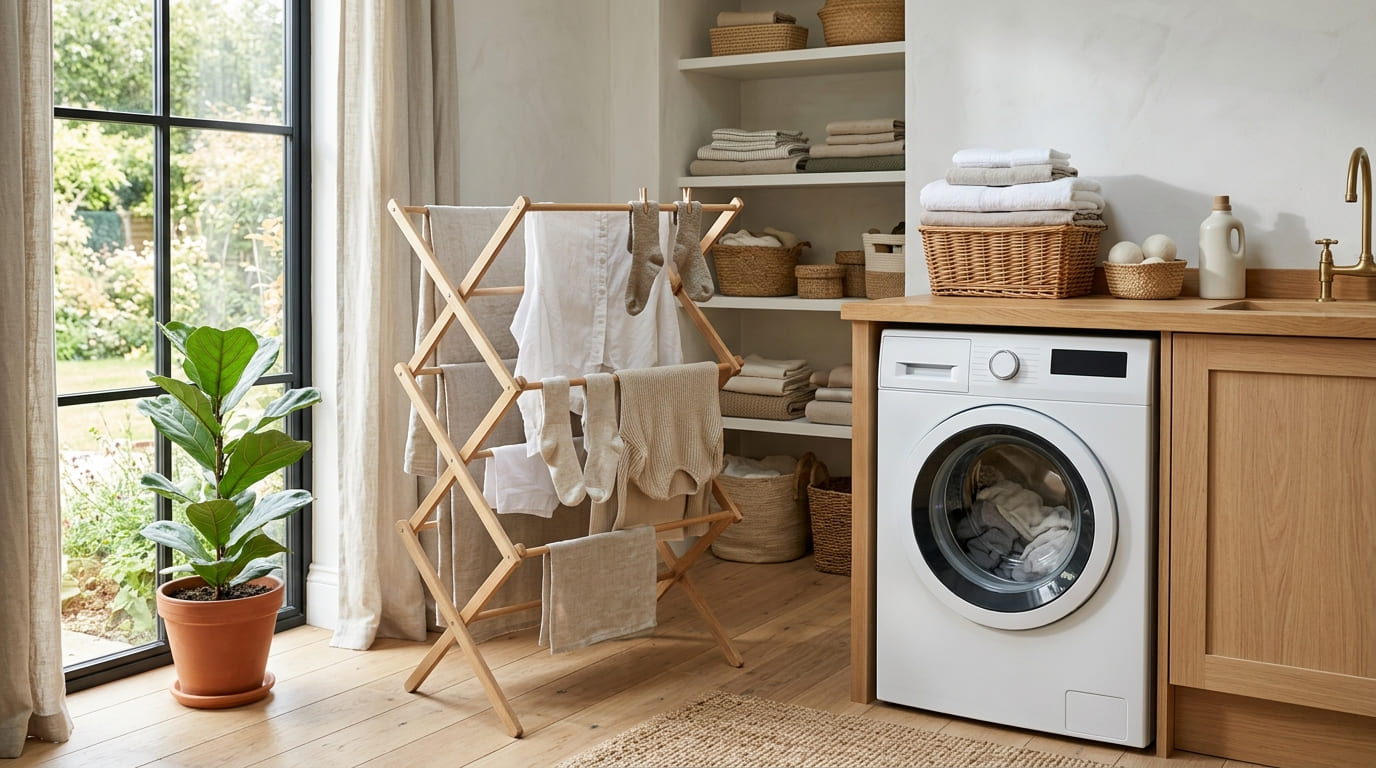
8. Wash Clothes at Lower Temperatures When Suitable
Washing clothes at a lower temperature can reduce the energy required to heat water, when the fabric and washing instructions allow it. Always follow the care instructions for your clothes.
You can also reduce energy use by washing suitable full loads and choosing efficient cycles that match the amount of laundry.
9. Use Water More Efficiently
Saving water can also support energy saving because water often needs to be heated, transported, or treated. Reducing unnecessary hot-water use can therefore be a useful part of a greener household routine.
- Take shorter showers when practical.
- Turn off the tap when water is not needed.
- Fix leaking taps and pipes promptly.
- Use hot water thoughtfully rather than automatically.
10. Build Simple Energy-Saving Habits
The most effective energy-saving routine is one that you can maintain. Instead of trying to change everything at once, choose a few habits and make them part of your everyday life.
- Turn off lights when leaving a room.
- Use natural light whenever possible.
- Switch off unused electronics.
- Use appliances efficiently.
- Pay attention to heating and cooling habits.
How to Make Energy Saving Easier
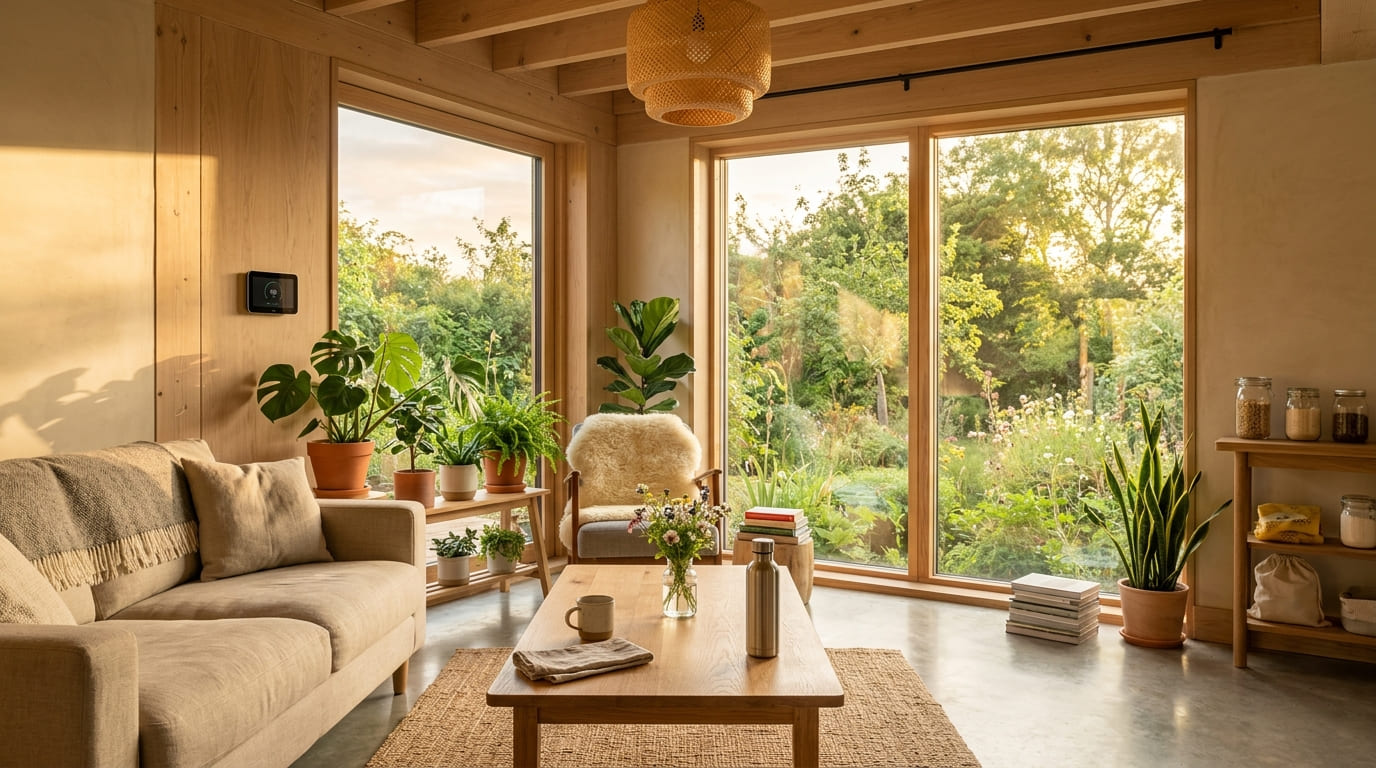
Energy saving becomes much easier when it is connected to routines you already have. Instead of relying on motivation, create simple habits around leaving rooms, cooking, washing clothes, and managing your home's temperature.
Simple Energy Saving Checklist
- Use natural daylight whenever possible.
- Turn off unnecessary lights.
- Use energy-efficient lighting.
- Avoid unnecessary heating and cooling.
- Run appliances efficiently.
- Switch off unused electronics.
- Use suitable lower-temperature laundry cycles.
- Reduce unnecessary hot-water use.
- Maintain appliances and home systems.
- Build simple habits that you can repeat every day.
Common Energy-Saving Mistakes to Avoid
Energy saving works best when it is practical and consistent. Avoid making changes that create unnecessary inconvenience or ignoring the maintenance needs of appliances and heating systems.
- Leaving lights on in empty rooms.
- Running appliances when they are barely needed.
- Heating or cooling empty spaces unnecessarily.
- Ignoring drafts or maintenance problems.
- Trying to change every habit at the same time.
Why Energy Saving Is Worth It
Energy saving can help reduce unnecessary resource use while making everyday household routines more efficient. Small improvements may seem insignificant individually, but consistent habits can add up over time.
A greener home does not need to be perfect. What matters is finding realistic ways to use energy more thoughtfully and making those choices part of everyday life.
Final Thoughts
Energy saving starts with simple choices. Use natural light, manage heating and cooling carefully, run appliances efficiently, reduce unnecessary standby energy, and build habits that are easy to maintain.
Start with one or two changes today. Once they become natural, add another. Over time, these small actions can help create a more efficient, comfortable, and sustainable home.
Start Saving Energy Today
Choose one simple energy saving habit and start using it today. Build the habit gradually and make your home more efficient, comfortable, and sustainable.
Explore Energy SavingGet Greener Ideas
Join our newsletter for weekly eco-living tips, gardening guides, and DIY projects.