10 Easy Eco Living Tips for a Greener, More Sustainable Life
Simple eco living tips to reduce waste, save energy and water, and create a greener, more sustainable lifestyle
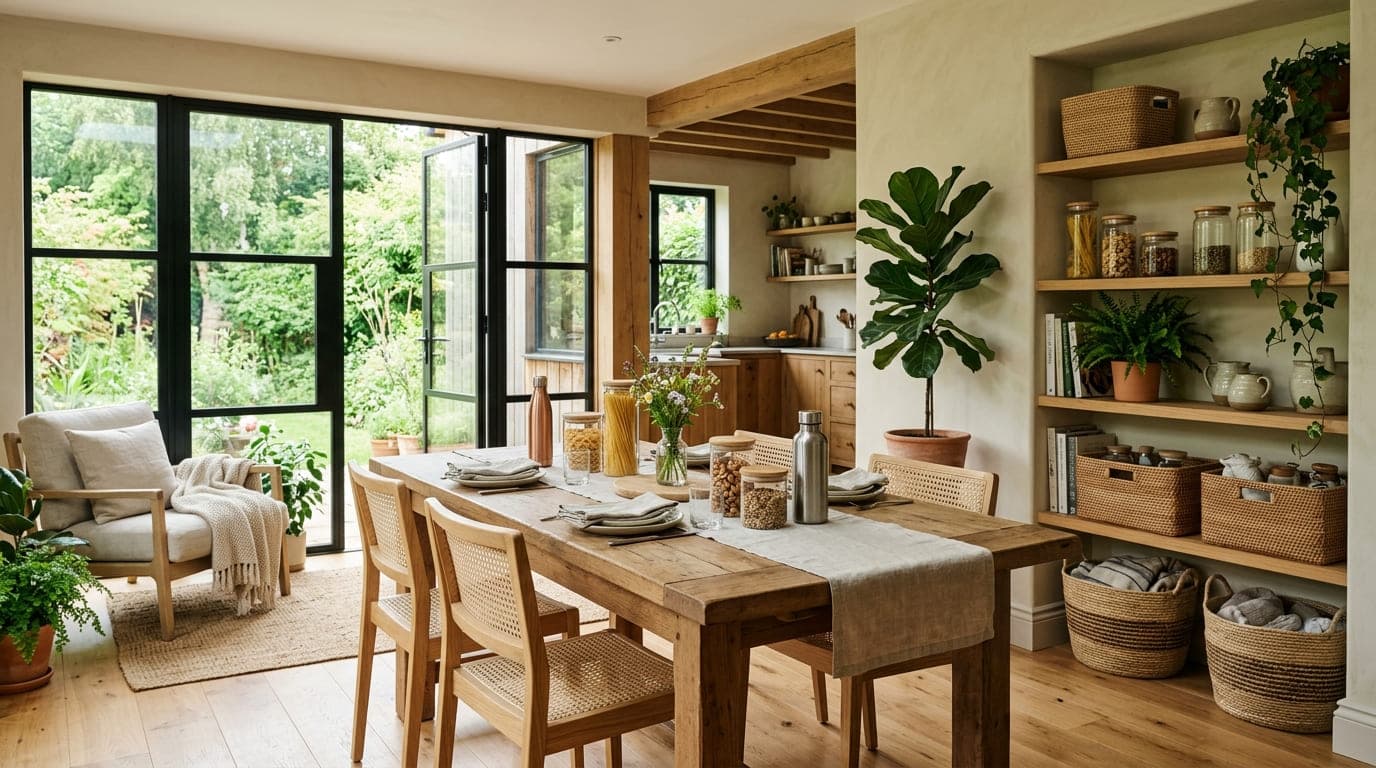
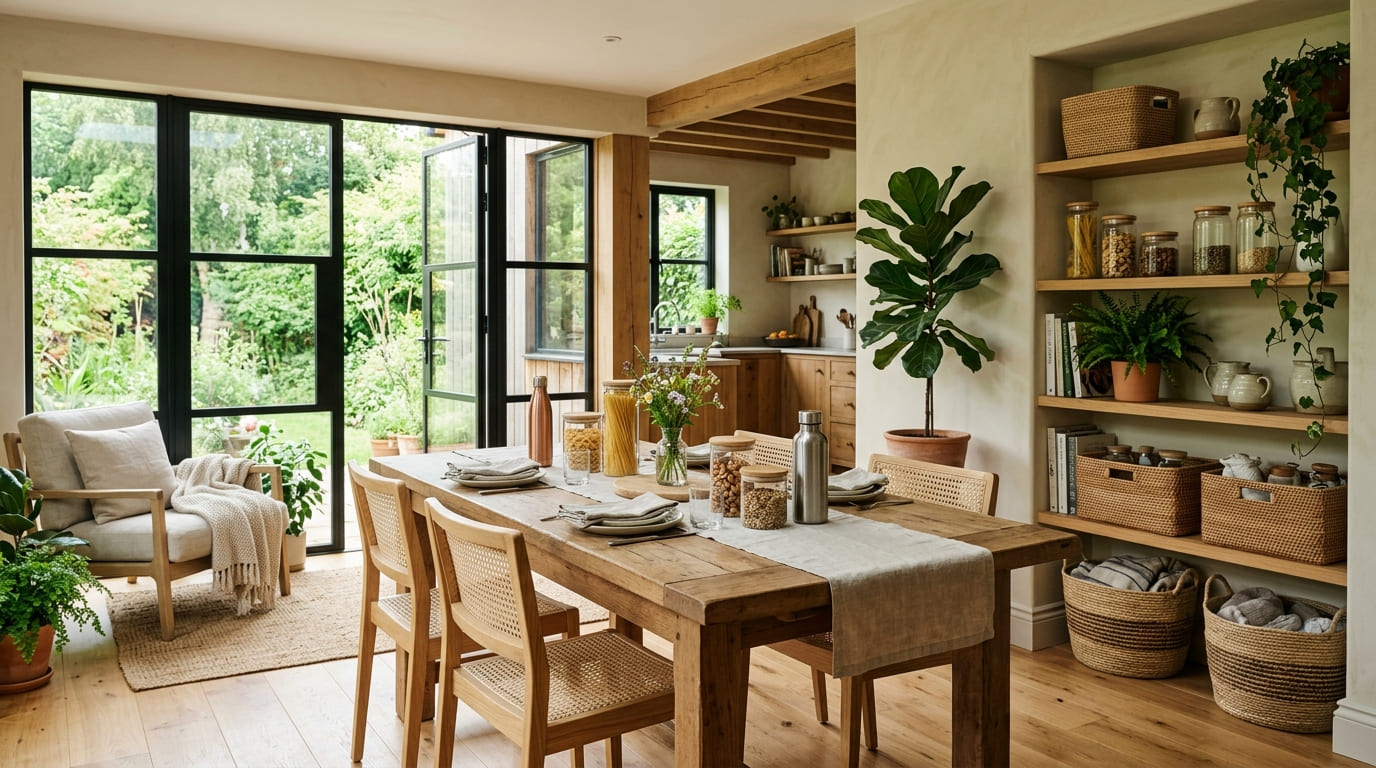
10 Easy Eco Living Tips for a Greener, More Sustainable Life
Eco living does not have to mean completely changing your lifestyle. Small everyday choices can help reduce waste, conserve resources, and create a healthier, more sustainable home.
Living more sustainably is often about making simple decisions consistently. You can start by using fewer disposable products, saving energy and water, choosing reusable alternatives, and being more thoughtful about what you buy.
The best approach is not perfection. Instead, focus on practical habits that fit naturally into your daily routine.
1. Reduce Single-Use Products
One of the easiest ways to begin eco living is to reduce the disposable products you use regularly. Many everyday items are designed to be used once and then thrown away.
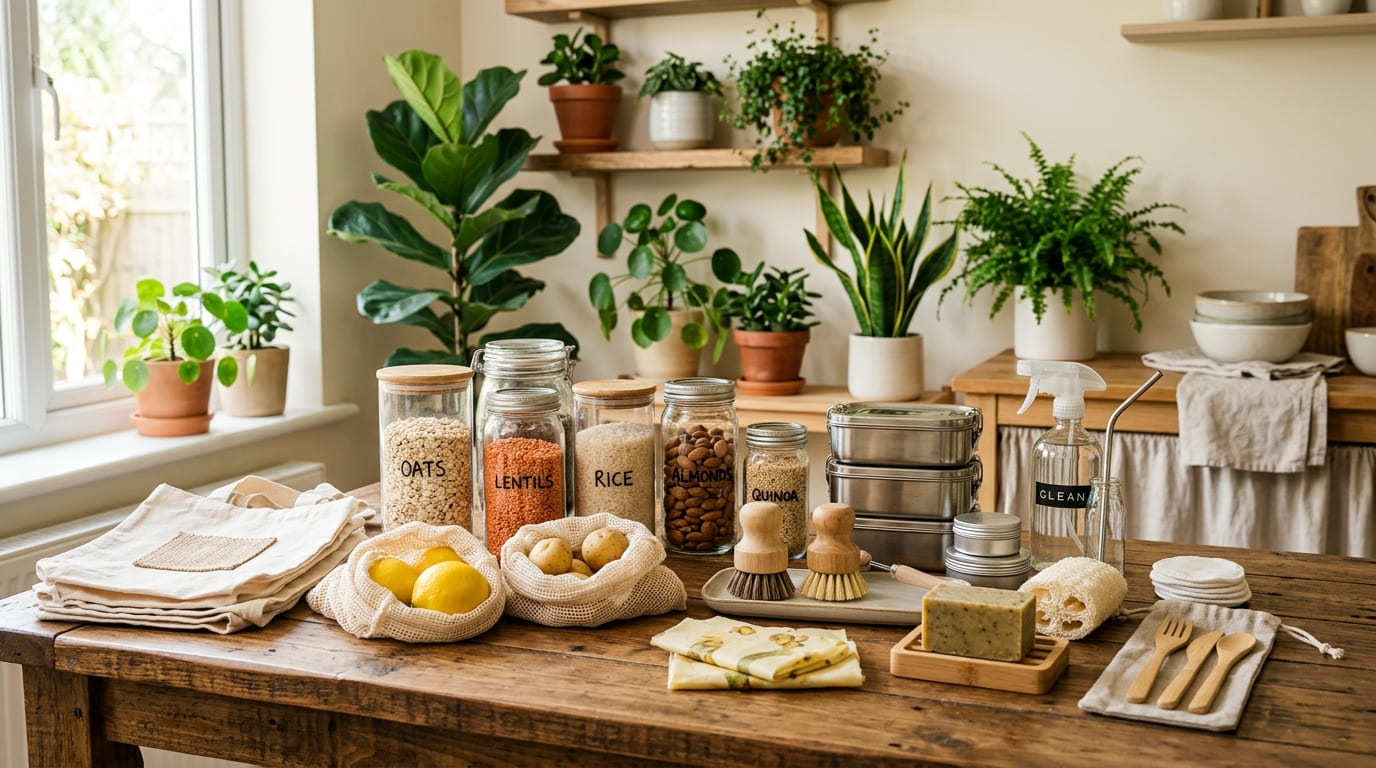
Replace them gradually with reusable alternatives such as shopping bags, water bottles, coffee cups, food containers, and washable cloths.
- Carry a reusable shopping bag.
- Use a refillable water bottle.
- Choose reusable food containers.
- Replace disposable cleaning cloths with washable ones.
2. Save Energy at Home
Using energy more efficiently can make your home more sustainable while potentially reducing unnecessary energy use.
Start with simple habits. Turn off lights when rooms are empty, unplug devices that do not need to remain powered, and make use of natural daylight whenever possible.
Simple Eco Tip
Before turning on a light during the day, check whether natural daylight is already enough for the room.
3. Use Less Water
Water is an important resource, and small changes around the home can help you avoid unnecessary waste.
- Turn off the tap while brushing your teeth.
- Fix leaking taps and pipes when possible.
- Take shorter showers.
- Reuse suitable household water for plants where appropriate.
- Water garden plants when they actually need it.
4. Choose Reusable Items
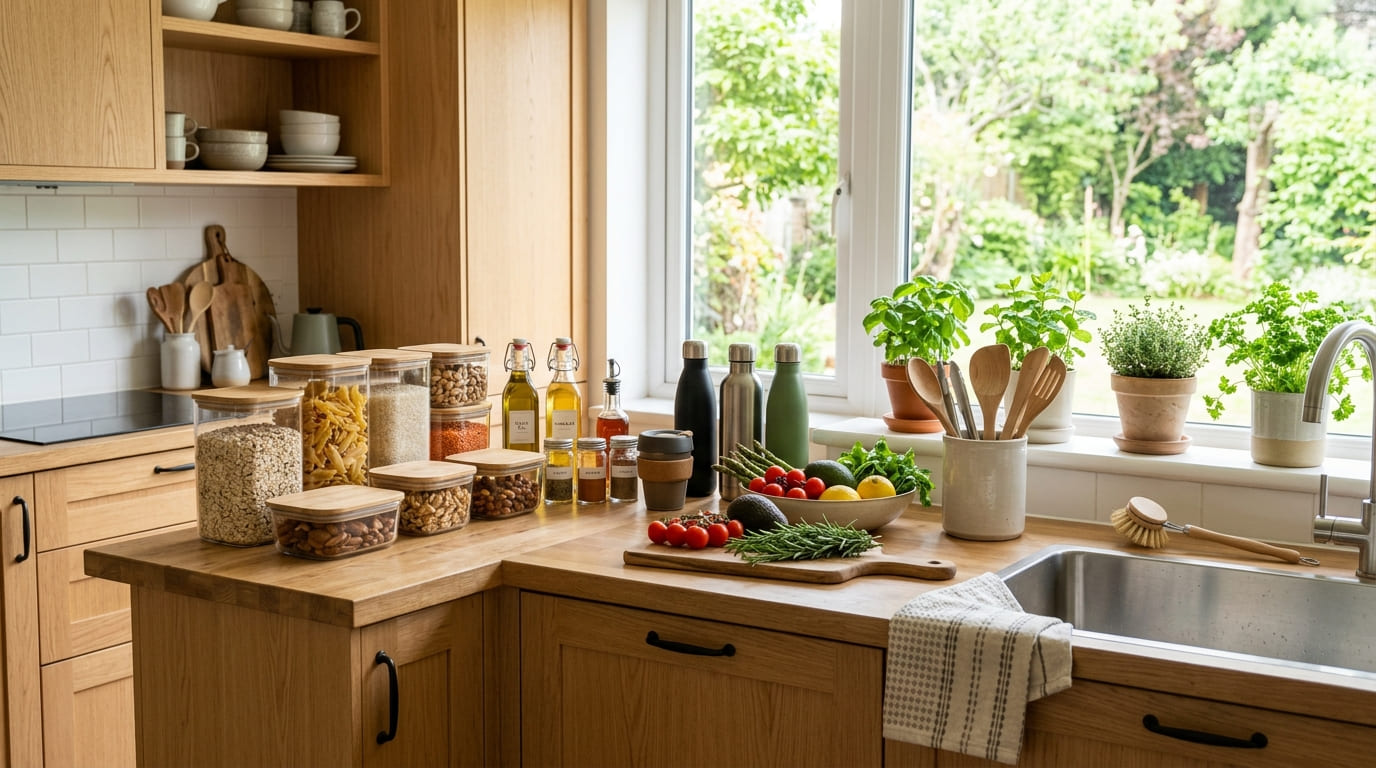
Reusable products can be a practical part of eco living because they are designed to replace many disposable alternatives.
Look around your home and identify the disposable products you use most often. Those are usually the easiest places to begin making sustainable swaps.
- Glass food containers
- Stainless steel bottles
- Reusable shopping bags
- Washable kitchen cloths
- Reusable produce bags
5. Reduce Food Waste
Food waste is another area where simple planning can make a meaningful difference. Buy only what you are likely to use and organize your food so older products are easy to see.
Leftovers can often become another meal, while suitable fruit and vegetable scraps can be composted instead of automatically going into the trash.
Easy Food-Waste Habits
- Plan meals before shopping.
- Store food properly.
- Use leftovers creatively.
- Freeze food before it spoils when appropriate.
- Compost suitable kitchen scraps.
6. Make Your Cleaning Routine Greener
A more sustainable cleaning routine does not require replacing every product in your home at once.
Start by using reusable cloths, refillable containers, and durable cleaning tools. When choosing cleaning products, consider options with less unnecessary packaging and follow the manufacturer's instructions.
7. Buy Less and Choose Better
Sustainable living is not only about buying eco-friendly products. Sometimes the most sustainable choice is simply buying less.
Before purchasing something new, ask whether you really need it, whether you already own something similar, and whether the item is durable enough to use for a long time.
Think Before You Buy
Choose products based on usefulness, durability, repairability, and how often you expect to use them—not only on appearance or trends.
8. Bring More Plants Into Your Home
Plants can make indoor spaces feel more natural and welcoming. They can also encourage a stronger connection with nature and sustainable living.
Choose plants that match the light and conditions in your home rather than selecting plants only because they look attractive.
- Choose low-maintenance plants if you are a beginner.
- Use suitable pots and well-draining soil.
- Avoid overwatering.
- Reuse suitable containers as decorative planters.
9. Make Your Kitchen More Sustainable
The kitchen is one of the easiest places to introduce eco living habits because it is used every day.
Store dry foods in reusable containers, keep reusable shopping bags nearby, reduce unnecessary packaging, and make better use of the food you already have.
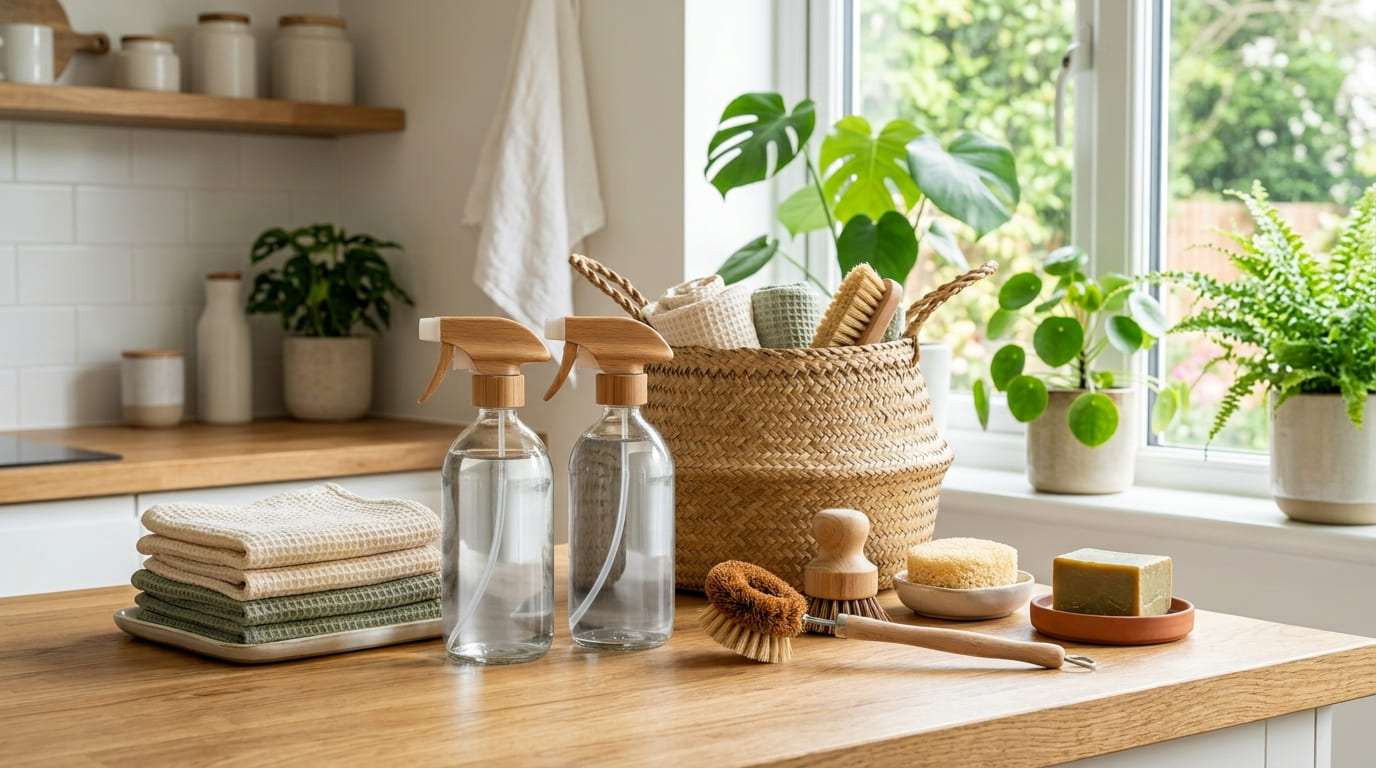 A simple sustainable home can combine reusable products, natural materials, and less waste.
10. Build Sustainable Habits Slowly
The most important part of eco living is consistency. You do not need to change everything in one weekend.
Choose one or two habits first. Once they become natural, add another. This makes sustainable living easier to maintain and prevents you from feeling overwhelmed.
Eco Living Starter Checklist
- Use reusable shopping bags.
- Carry a refillable water bottle.
- Reduce unnecessary packaging.
- Save electricity when possible.
- Use water carefully.
- Plan meals to reduce food waste.
- Compost suitable organic waste.
- Choose durable products.
- Reuse and repair items before replacing them.
- Start with habits you can maintain long-term.
Common Eco Living Mistakes to Avoid
Sustainable living becomes easier when you avoid the pressure to be perfect. One common mistake is replacing everything immediately instead of using what you already own.
Another mistake is buying large quantities of products simply because they are marketed as sustainable. A reusable product is most useful when it is actually used regularly.
- Do not throw away usable products just to replace them with “eco” versions.
- Do not try to change every habit at the same time.
- Do not assume expensive products are automatically more sustainable.
- Focus on reducing consumption and extending product life.
Why Eco Living Is Worth Trying
Eco living can help you become more conscious about how you use energy, water, food, and everyday products.
It can also encourage simpler habits, less unnecessary consumption, and a stronger connection with the environment around you.
The goal is not to create a perfect zero-waste home overnight. The goal is to make better choices more often.
Final Thoughts
Eco living starts with everyday choices. Reducing waste, saving water and energy, reusing products, avoiding unnecessary purchases, and taking better care of your home can all become simple parts of your routine.
Start small, stay consistent, and focus on progress rather than perfection. Over time, these small habits can become a natural part of a greener lifestyle.
Start Your Eco Living Journey
Make your home greener one simple habit at a time. Discover practical ideas for sustainable living and create a lifestyle that is better for you and the planet.
Explore Eco LivingGet Greener Ideas
Join our newsletter for weekly eco-living tips, gardening guides, and DIY projects.