10 Easy DIY Planters to Make for Your Home & Garden
Discover easy DIY planters using wood, recycled containers, jars, cans, and simple materials to create beautiful garden planters at home
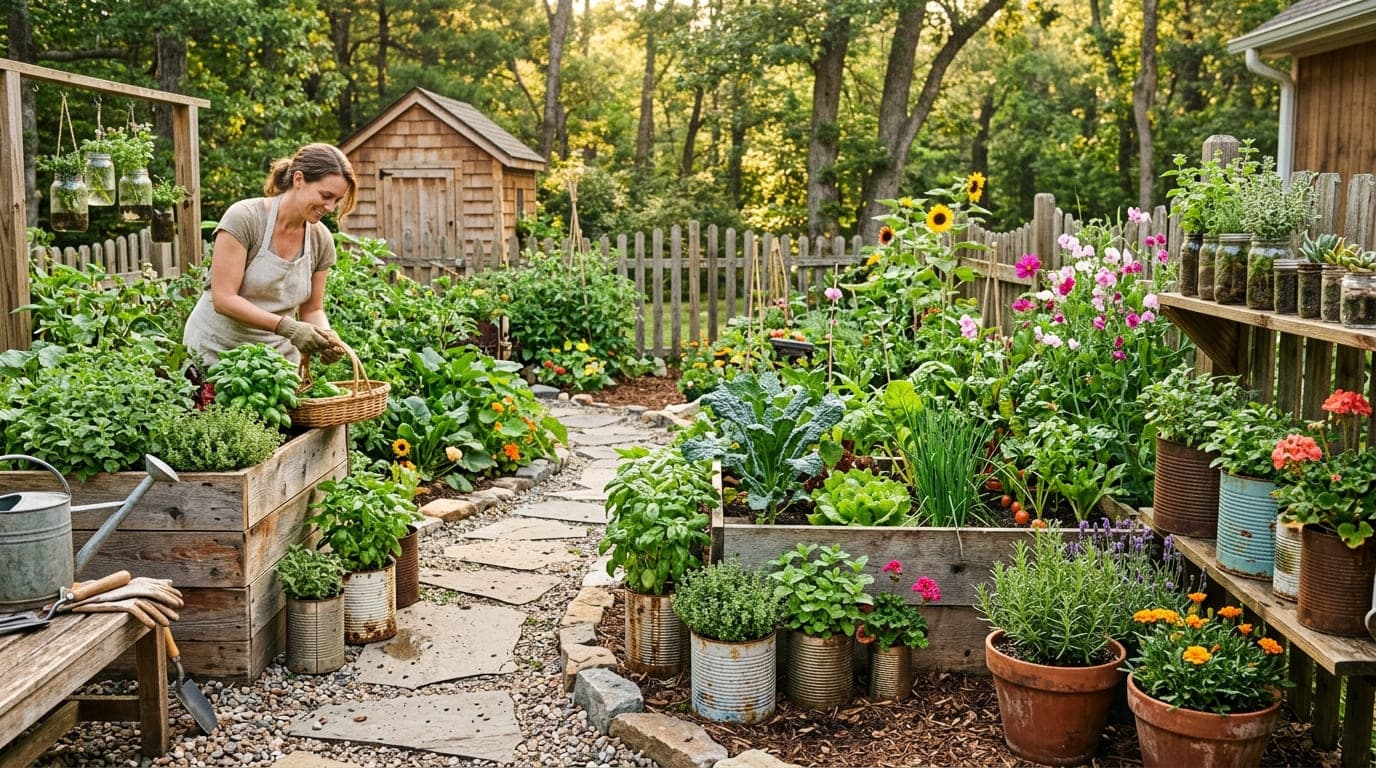
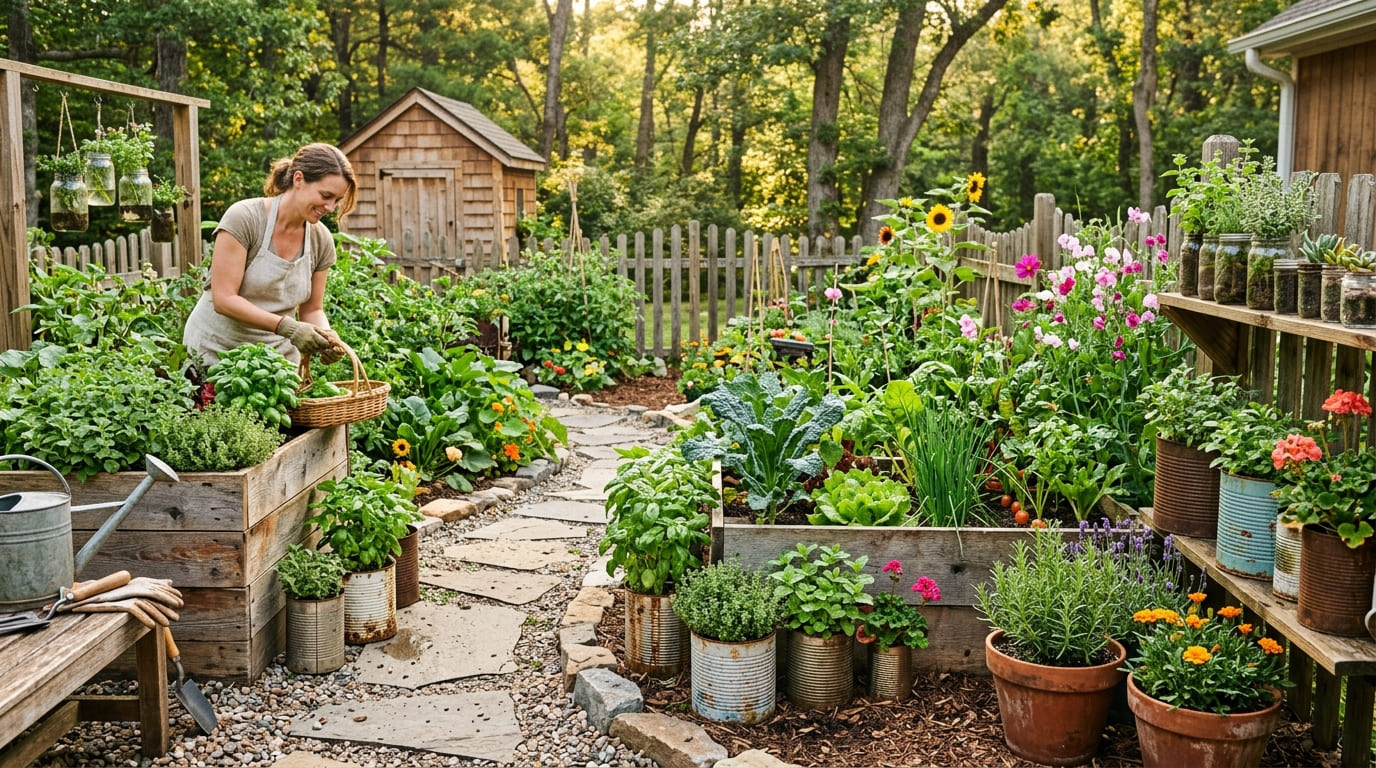
10 Easy DIY Planters to Make for Your Home & Garden
Looking for an easy way to add more plants to your home or garden? These creative DIY planters use simple materials such as wood, recycled containers, jars, cans, and everyday items to create attractive and useful plant pots.
1. Make a Simple Wooden Planter
Wooden planters are one of the easiest DIY projects for beginners. With a few pieces of suitable untreated or garden-safe wood, you can create a simple planter for herbs, flowers, or vegetables.
Choose a size that fits your available space. A rectangular wooden planter can work especially well on patios, balconies, terraces, and small garden areas.
Basic Materials
- Garden-safe wood or reclaimed suitable timber
- Screws and basic hand tools
- Suitable container liner if needed
- Quality potting mix
- Plants, herbs, or flowers
DIY Tip
Make sure your planter has proper drainage. Excess water should be able to escape rather than remaining around the plant roots.
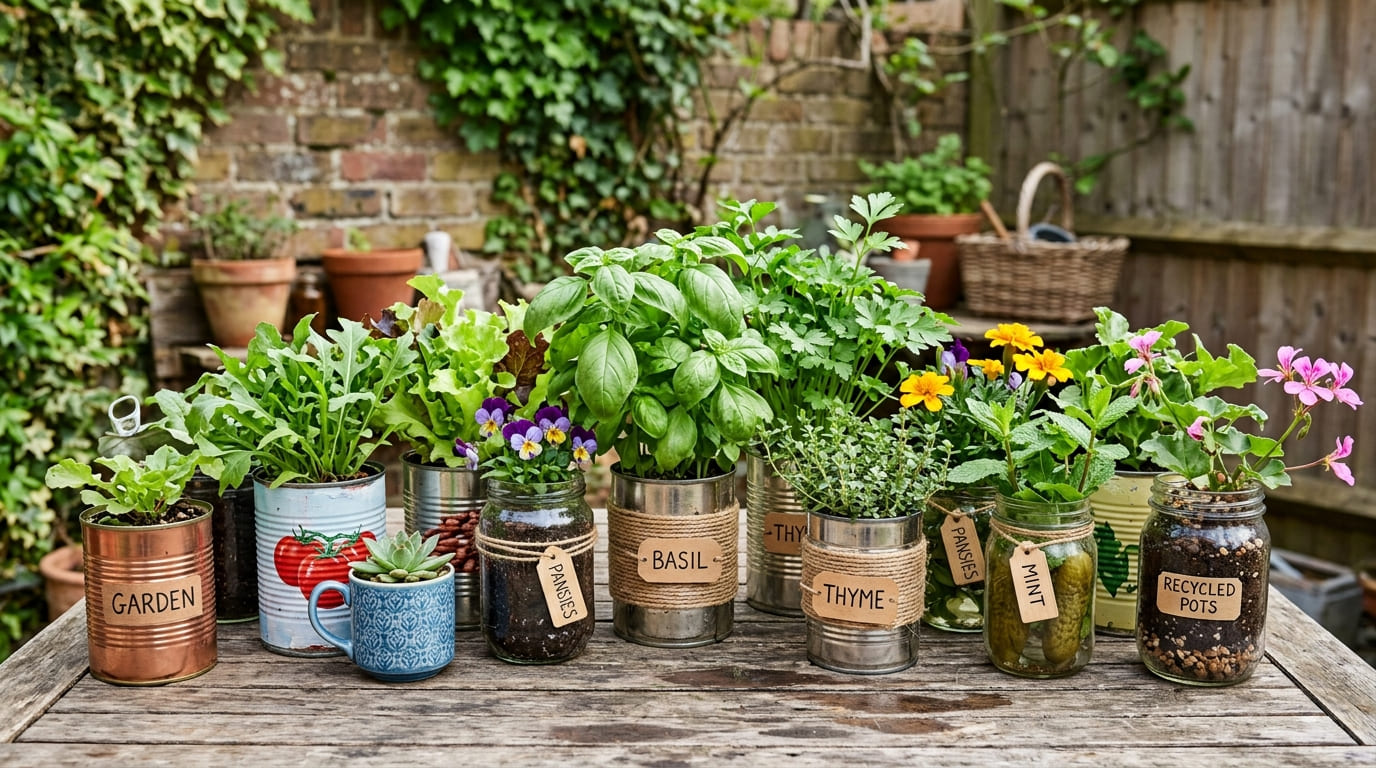
2. Turn Recycled Containers Into Planters
Before throwing away an old container, consider whether it can become a useful planter. Clean household containers can sometimes be transformed into attractive pots with very little work.
Old food-safe containers, suitable buckets, storage containers, and other reusable items can work for small plants when properly cleaned and prepared.
- Clean the container thoroughly.
- Make appropriate drainage holes.
- Choose plants that match the container size.
- Place the planter where the plant receives suitable light.
3. Create a Small Vertical Planter
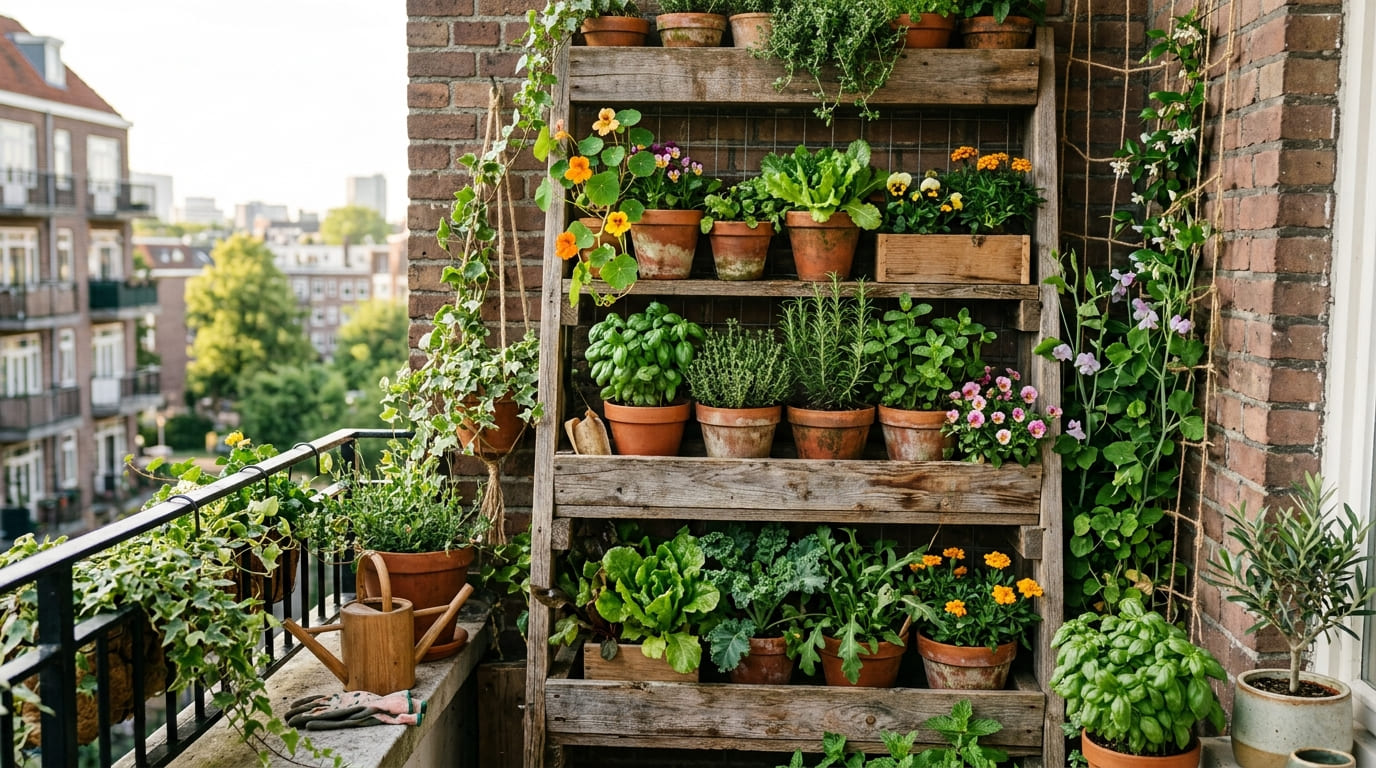
A vertical planter is a smart option when floor space is limited. Instead of spreading plants across the ground, use a wall, frame, trellis, or vertical structure to grow upward.
Small herbs, leafy greens, flowers, and selected compact plants can work beautifully in vertical arrangements.
- Use a strong and stable frame.
- Choose lightweight containers when appropriate.
- Make sure every plant receives enough light.
- Check that the structure can handle the weight when watered.
4. Make a DIY Hanging Planter
Hanging planters can add greenery without taking up valuable floor space. They work especially well on balconies, covered patios, porches, and other suitable outdoor areas.
Use strong, weather-appropriate materials and make sure the hanging system is securely attached before adding soil and water.
Safety First
A planter becomes significantly heavier after adding wet soil and water. Always use a secure support designed to handle the expected weight.
5. Turn Old Cans Into Small Plant Pots
Clean metal cans can make simple small planters for herbs, flowers, and other compact plants. Their small size makes them useful for windowsills, shelves, patios, or compact gardening spaces.
Carefully prepare the container and make sure there are no sharp edges that could cause injury. Drainage is also essential.
Good Plant Choices
- Basil
- Parsley
- Mint
- Small flowers
- Compact leafy greens
6. Build a Reclaimed-Wood Planter Box
Reclaimed wood can give a planter a natural, rustic appearance. Before using old timber, inspect it carefully and avoid materials that may have been treated with substances unsuitable for your intended use.
Sand rough surfaces, build a stable frame, and create enough room for roots to grow. A simple box can become a productive home for herbs, flowers, or vegetables.
7. Create a DIY Herb Planter
A dedicated herb planter is a practical project for beginners. Fresh herbs can grow in relatively small containers, making them ideal for kitchens, balconies, patios, and small gardens.
You can create a simple multi-section planter using a wooden box, several small containers, or another suitable structure.
- Basil for sunny locations
- Parsley for suitable light conditions
- Thyme for compact spaces
- Chives for small containers
- Mint in its own container to help control spreading
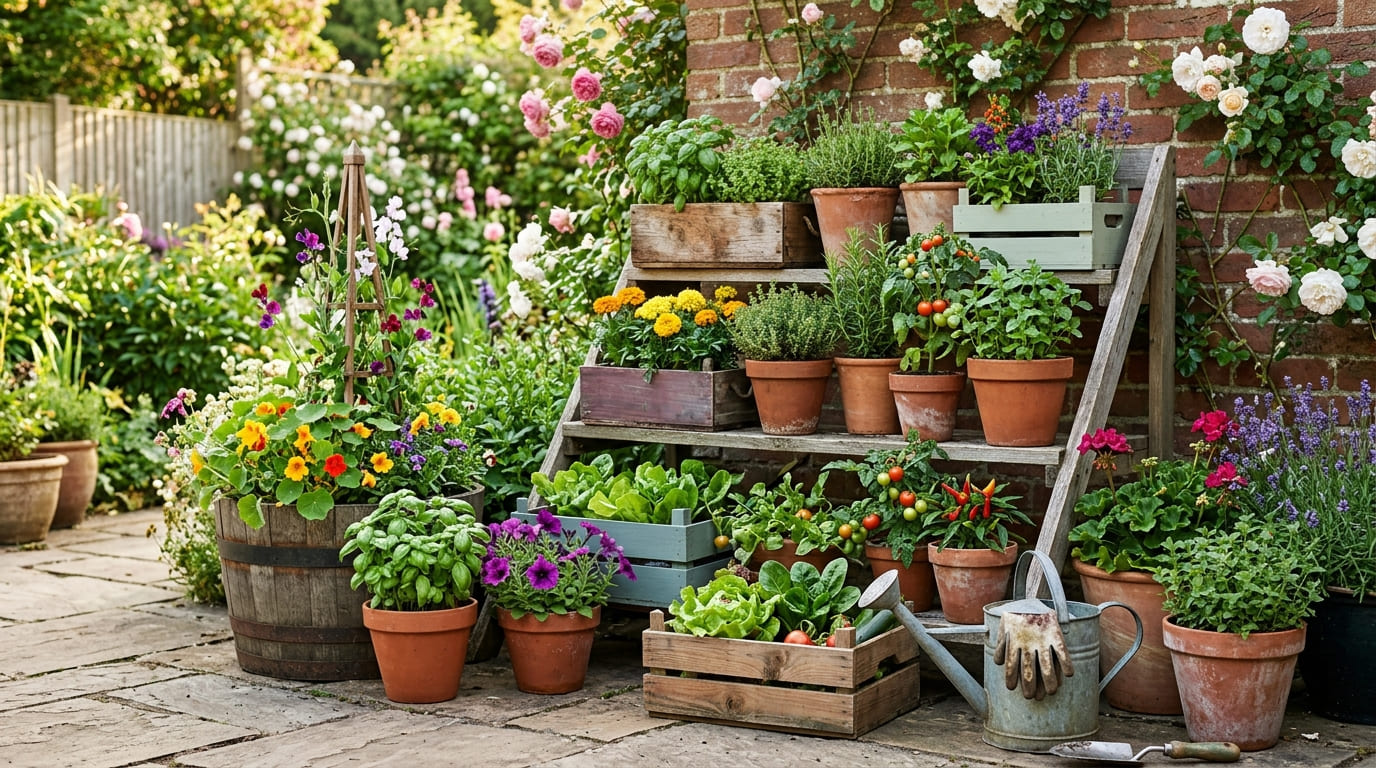
8. Make a DIY Tiered Planter
Tiered planters create multiple growing levels in a small footprint. They can make a patio or balcony feel more organized while allowing you to grow several different plants.
Place larger or taller plants where they will not block sunlight from smaller plants. Keep the structure stable and make sure water can drain properly from each level.
9. Build a Simple Recycled Planter Display
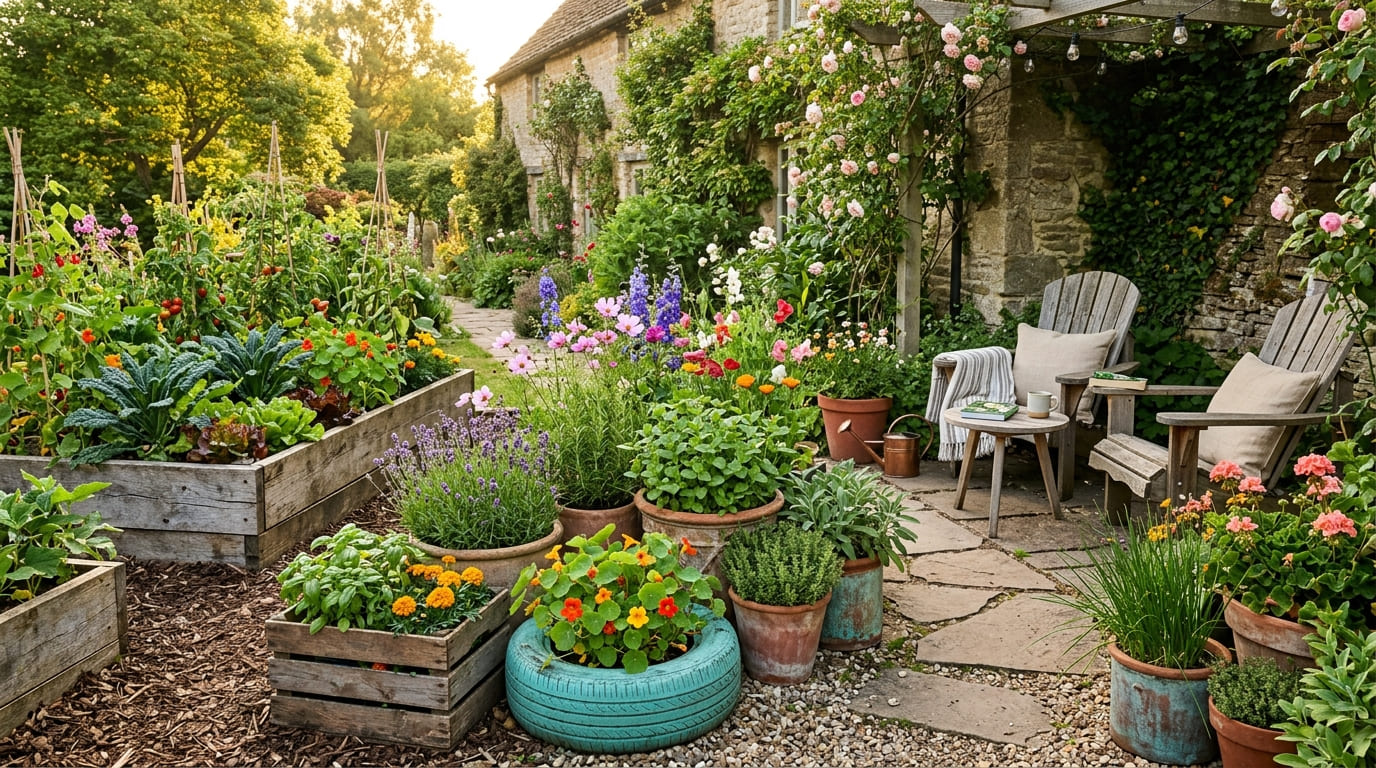
You can combine several different upcycled containers to create a coordinated garden display. Matching containers by size, material, or placement can make the final arrangement look intentional.
Try grouping small pots together on a shelf or using a combination of recycled containers at different heights.
- Group plants according to their light needs.
- Keep enough space between containers.
- Use similar materials for a cleaner visual style.
- Choose plants with complementary colors and shapes.
10. Create a Simple Indoor Plant Planter
DIY planters are not limited to outdoor spaces. A suitable decorative container can become a simple indoor planter for houseplants and herbs.
When using decorative containers indoors, pay special attention to drainage and water management. A waterproof tray can help protect furniture and floors.
How to Choose the Right DIY Planter
The best DIY planter is not necessarily the most complicated one. Choose a design based on the plant, available space, materials, and amount of maintenance you want to handle.
- Small plants: use compact pots and containers.
- Herbs: choose accessible containers with good drainage.
- Vegetables: provide enough depth for healthy roots.
- Climbing plants: consider vertical support.
- Indoor plants: plan carefully for drainage and water protection.
Common DIY Planter Mistakes
A creative planter still needs to provide the basic conditions plants need to grow. Avoid these common mistakes when building your project.
- Using containers without drainage.
- Choosing a planter that is too small for the plant.
- Using unsafe or unknown materials.
- Making hanging planters without secure support.
- Ignoring the plant's sunlight requirements.
- Overwatering because the container holds too much moisture.
Make Your DIY Planters More Sustainable
One of the biggest advantages of DIY planters is the opportunity to reuse materials that might otherwise become waste.
Look around your home before buying new materials. Suitable old wood, clean containers, jars, cans, and other reusable items may already provide everything you need for a simple project.
However, sustainability should never come at the expense of plant health or safety. Choose materials carefully and make sure your finished planter is stable, durable, and suitable for its intended use.
DIY Planter Checklist
Before Building
- Choose the plant you want to grow.
- Check the required container size.
- Select safe and suitable materials.
- Plan drainage before assembling the planter.
After Building
- Check the planter for sharp or unstable parts.
- Add suitable growing medium.
- Place the planter according to light requirements.
- Water according to the plant's needs.
- Inspect the planter regularly for damage.
Why DIY Planters Are Worth Trying
DIY planters are an easy way to personalize your gardening space while potentially saving money and reducing waste. They also let you create containers that fit your exact space instead of relying only on standard store-bought pots.
Whether you build a simple wooden box, reuse an old container, or create a vertical garden, the goal is the same: give your plants a healthy place to grow while making your space more enjoyable.
Final Thoughts
Creating DIY planters does not require advanced skills or expensive materials. Start with a simple design, focus on proper drainage and plant requirements, and reuse suitable materials whenever possible.
With a little creativity, everyday objects can become useful planters that add greenery, character, and functionality to your home or garden.
Start Your Next DIY Planter Project
Choose one simple idea, reuse materials you already have, and create a planter that fits your space and your plants.
Discover More DIY ProjectsGet Greener Ideas
Join our newsletter for weekly eco-living tips, gardening guides, and DIY projects.