10 Easy Composting Tips to Make Rich, Healthy Compost at Home
Learn simple composting tips to turn kitchen scraps and garden waste into rich, natural compost for healthier plants
10 Easy Composting Tips to Make Rich, Healthy Compost at Home
Composting is one of the easiest ways to turn everyday kitchen and garden waste into a valuable natural resource. With the right balance of materials, moisture, air, and patience, you can create nutrient-rich compost for your plants while reducing household waste.
You do not need a large garden or expensive equipment to start. A simple compost bin, a suitable outdoor space, and a steady supply of organic materials are often enough.
In this guide, you will learn practical composting tips that make the process easier, cleaner, and more reliable for beginners.
1. Start With the Right Composting Setup
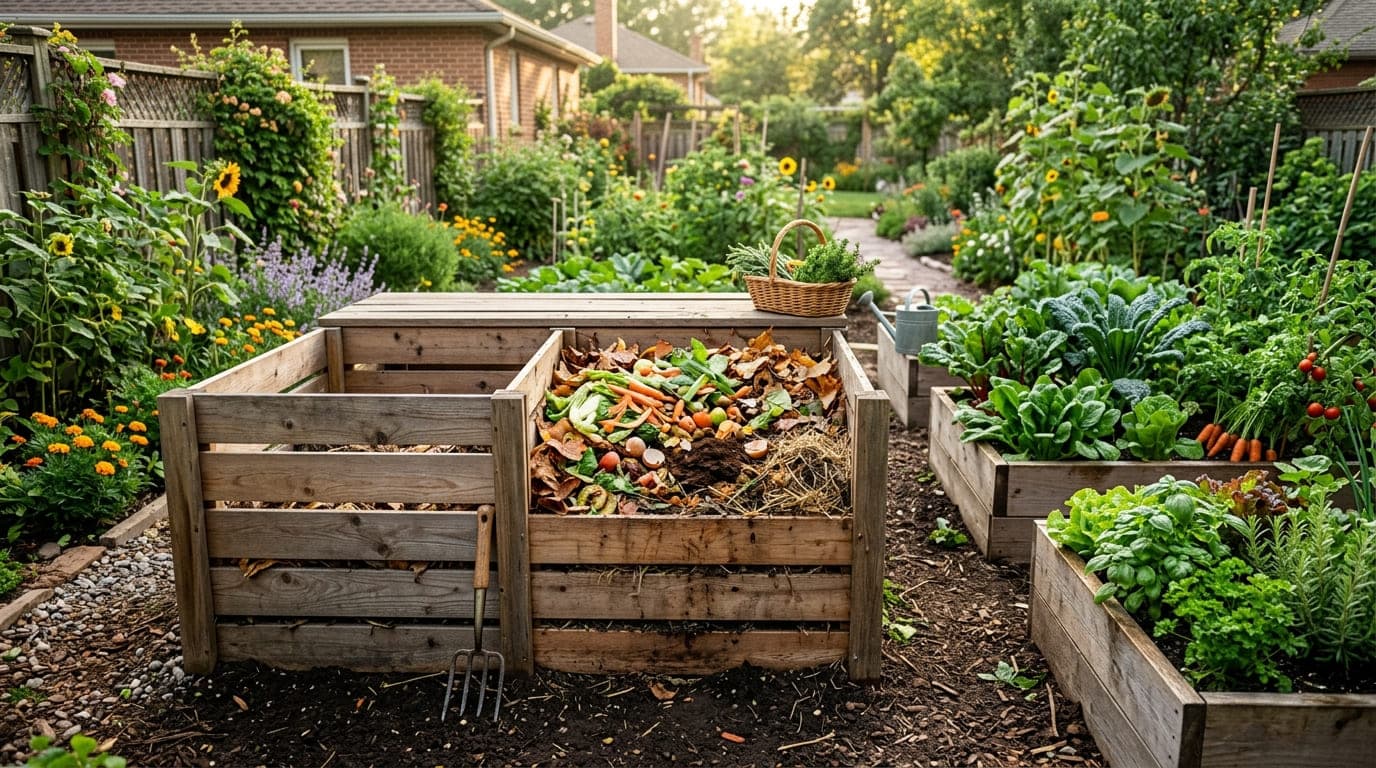
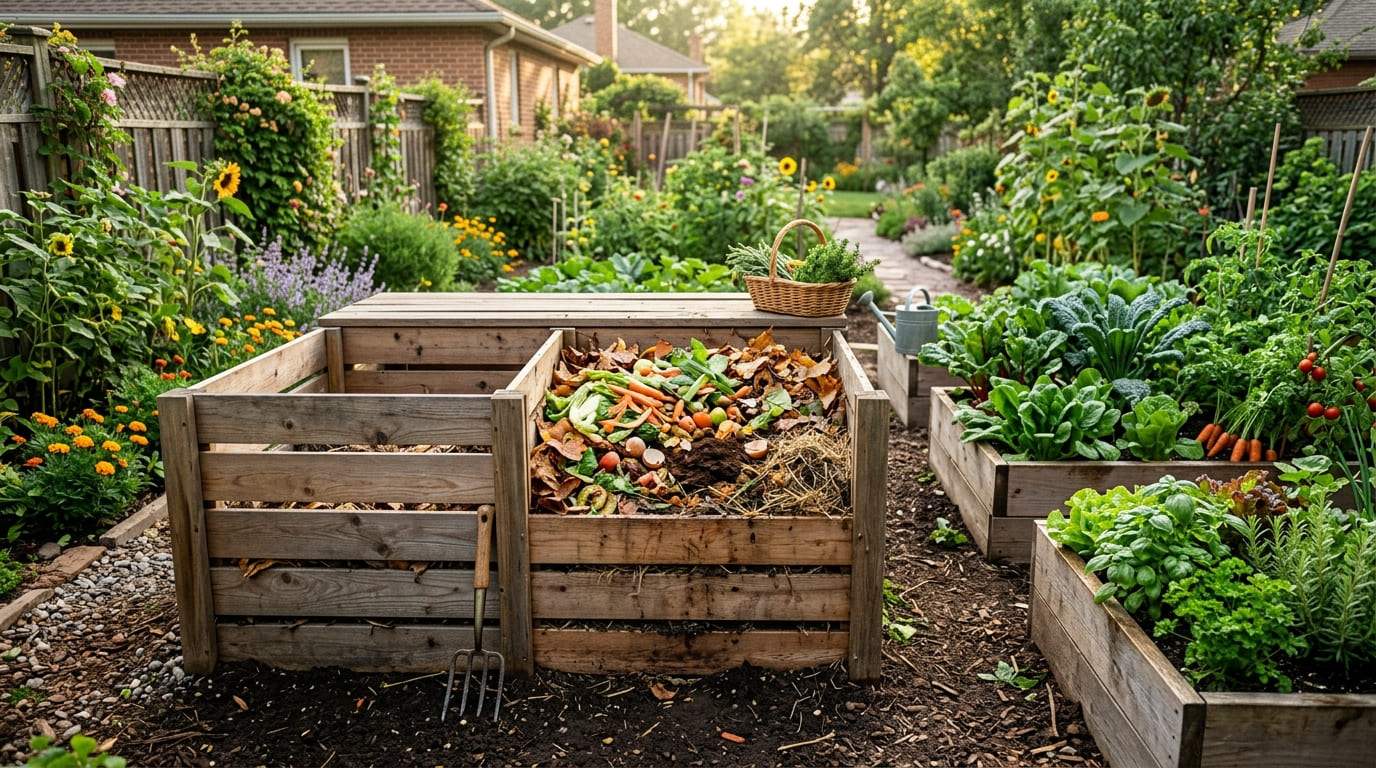
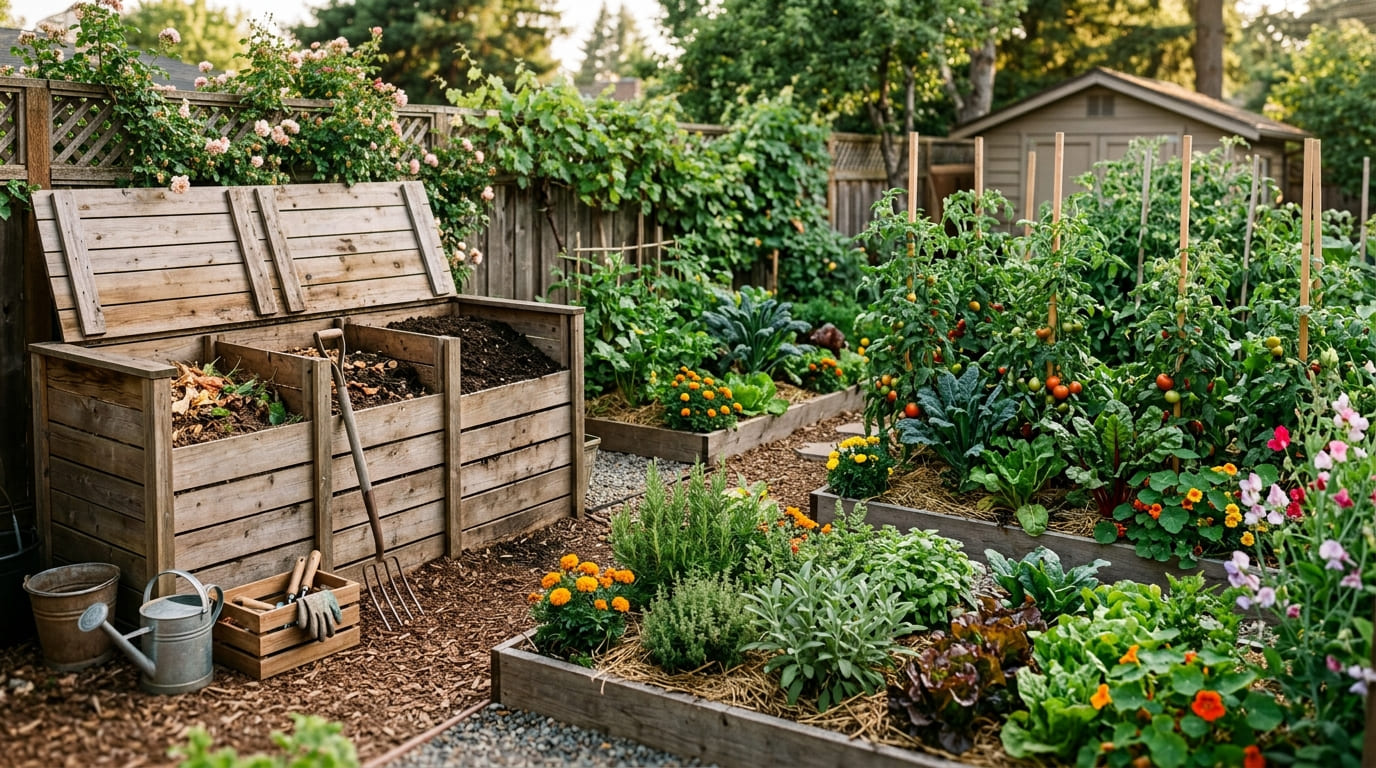
Your first step is choosing a composting method that matches your space. A backyard compost bin works well for many homes, while enclosed composters can be useful when you want a tidier setup.
- Choose a location with good airflow.
- Keep the compost accessible for adding materials.
- Make sure excess water can drain away.
- Choose a container large enough for your needs.
Beginner Tip
Start small. A manageable compost pile is easier to monitor than a large pile that becomes too wet, too dry, or difficult to turn.
2. Understand Green and Brown Materials
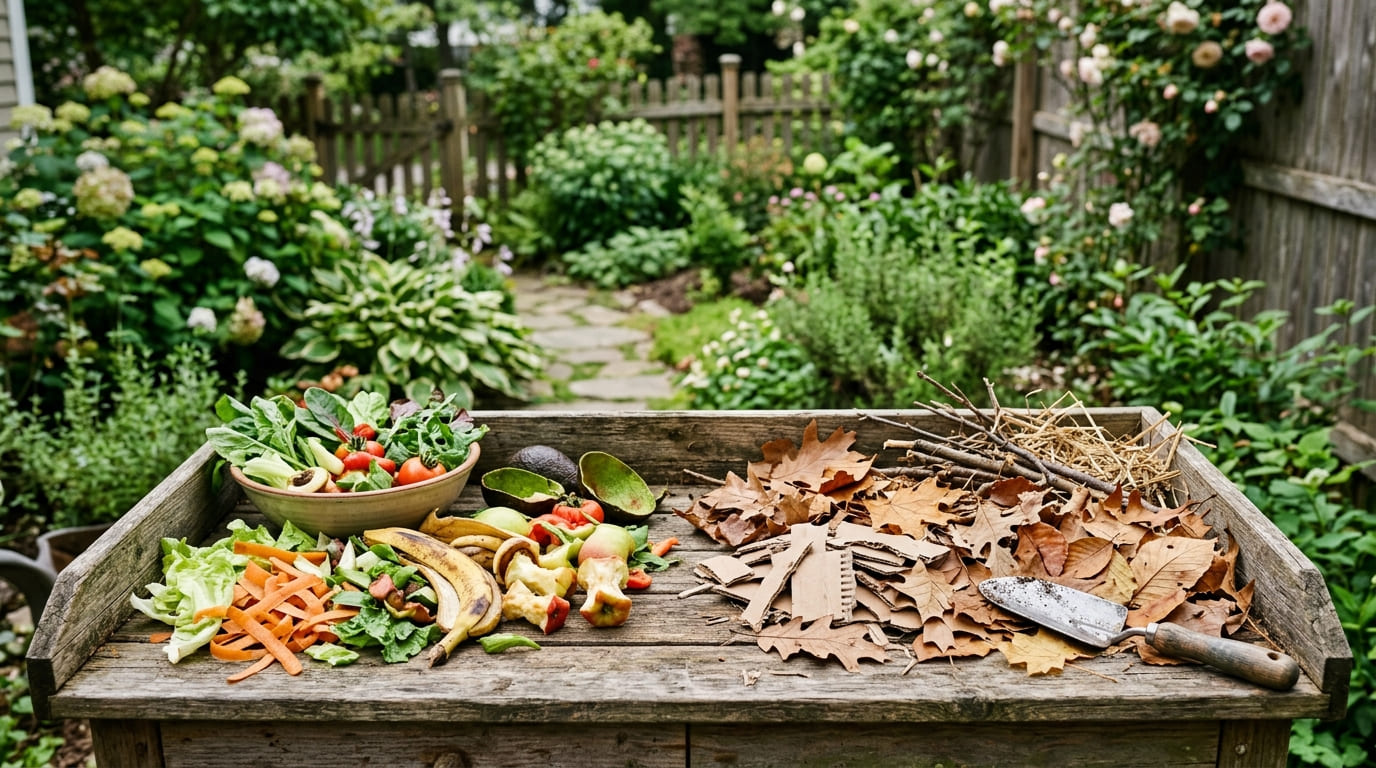
Successful composting depends on combining different types of organic materials. A simple way to think about this is green materials and brown materials.
Green Materials
- Fruit and vegetable scraps
- Fresh grass clippings
- Fresh plant trimmings
- Coffee grounds
Brown Materials
- Dry leaves
- Cardboard without glossy coatings
- Small dry branches
- Untreated paper
Mixing different materials helps create conditions where microorganisms can efficiently break organic matter down.
3. Add Kitchen Scraps Carefully
Kitchen scraps can become an excellent source of composting material. Instead of throwing vegetable and fruit waste into the trash, collect suitable scraps and add them to your compost.
Chopping larger pieces into smaller pieces can help them break down more quickly.
- Vegetable scraps
- Fruit scraps
- Coffee grounds and filters
- Small amounts of crushed eggshells
Avoid adding materials that can create odors, attract pests, or cause problems in a basic home composting system.
4. Keep the Compost Moist, But Not Soaked
Moisture is important because microorganisms need water to work. However, an overly wet compost pile can become compacted and develop unpleasant odors.
Aim for compost that feels similar to a damp sponge. If the pile is very dry, add a small amount of water. If it is too wet, mix in dry leaves, shredded cardboard, or other brown materials.
5. Give Your Compost Enough Air
Good airflow helps maintain healthy decomposition. Without enough oxygen, a compost pile can become compacted and develop a strong smell.
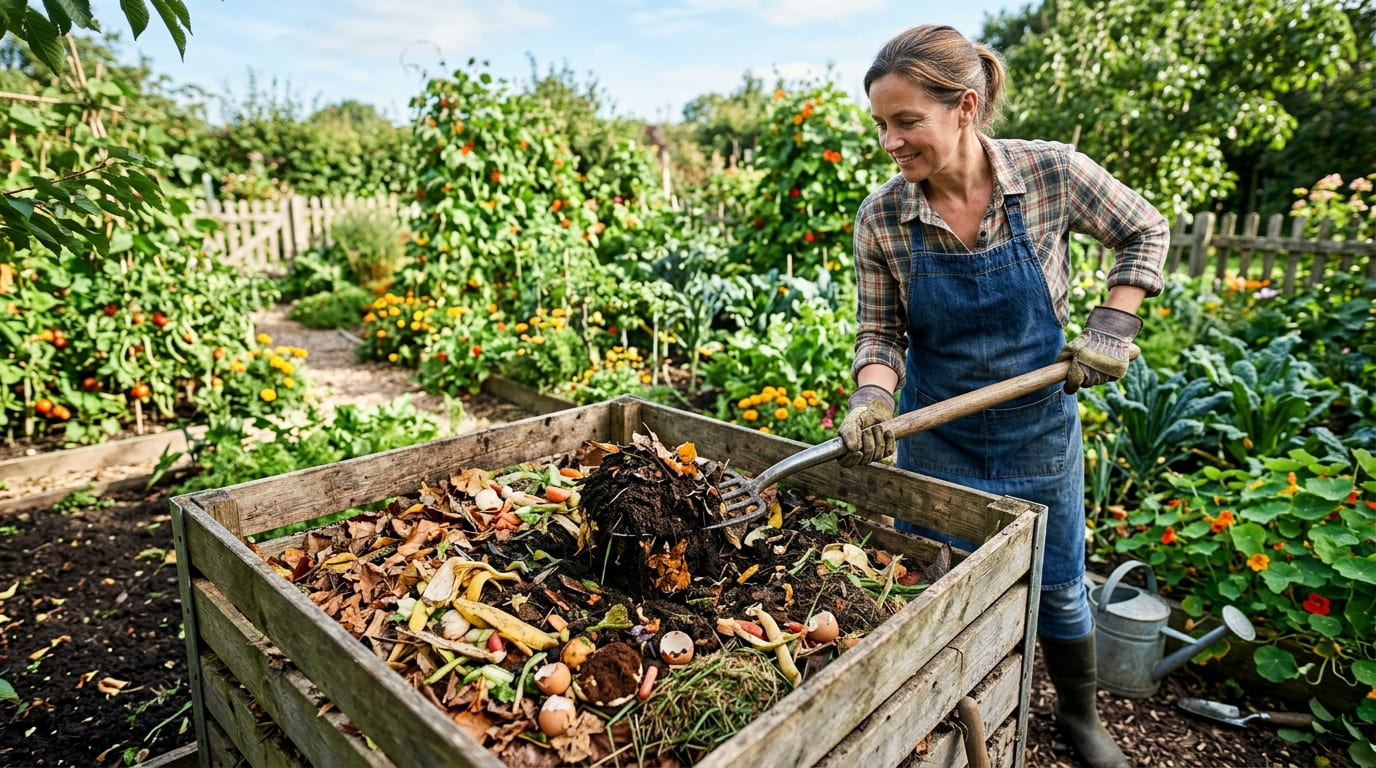
Turning the pile occasionally helps introduce air and distribute moisture and materials more evenly.
Simple Habit
If your compost starts smelling unpleasant, check whether it is too wet or compacted. Mixing it and adding dry brown materials can often improve airflow.
6. Keep a Good Balance of Materials
Adding only one type of material can make composting less effective. For example, a pile made mostly from fresh grass may become wet and compacted.
Try to regularly combine fresh green materials with dry brown materials. This gives your compost pile a better structure and helps maintain a healthy decomposition environment.
- Add dry leaves when the pile becomes too wet.
- Add fresh organic material when it becomes too dry.
- Mix materials instead of creating thick layers of one material.
- Break down large pieces whenever practical.
7. Avoid Adding Problem Materials
Not everything that is biodegradable belongs in a basic home compost pile. Some materials can attract unwanted animals, create odors, or introduce substances you do not want in your garden compost.
For a simple beginner system, avoid adding meat, fish, dairy products, oily foods, pet waste, and chemically treated materials unless your specific composting method is designed to handle them.
8. Be Patient With the Process
Composting is a natural biological process, so it takes time. Temperature, moisture, material size, airflow, and the type of composting system all influence how quickly organic matter breaks down.
Do not worry if your compost does not look finished after a few weeks. Continue adding suitable materials, maintain good moisture, and give the pile enough air.
9. Know When Compost Is Ready
Finished compost usually looks very different from the original materials. It should be dark, crumbly, and have an earthy smell rather than a strong food or rotting odor.
Some larger pieces may remain, and they can simply be returned to the compost pile for further decomposition.
Look For These Signs
- Dark brown or nearly black appearance
- Crumbly texture
- Earthy smell
- Most original materials are no longer recognizable
10. Use Finished Compost in Your Garden
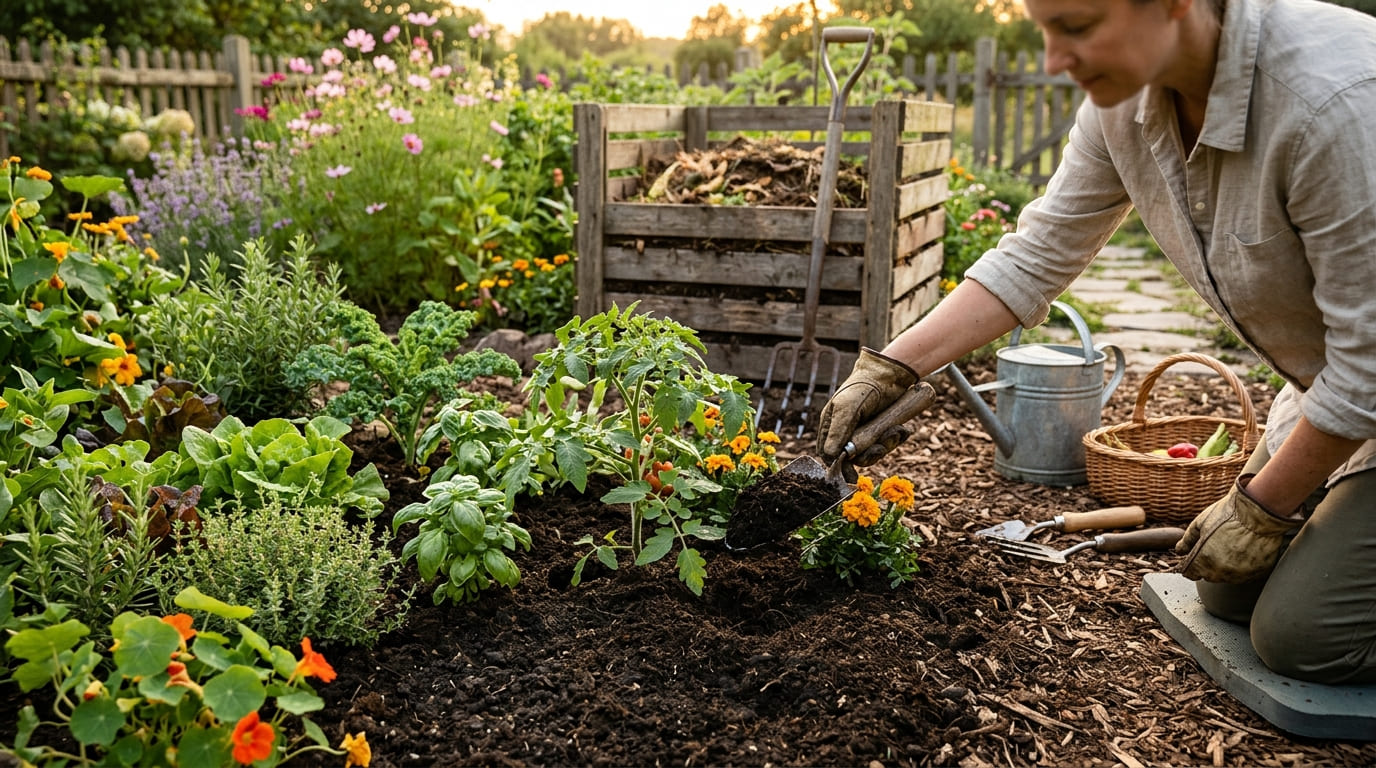
Once your compost is mature, you can use it to improve garden soil and support healthy plant growth.
- Mix a suitable amount into garden soil.
- Use it around established plants as an organic soil amendment.
- Add it to garden beds before planting.
- Use it as part of a sustainable soil-care routine.
Compost works best as part of overall soil management rather than as a replacement for every other gardening practice.
Common Composting Mistakes to Avoid
Beginners often make a few simple mistakes. Fortunately, most can be corrected easily.
- Too much moisture: Add dry brown materials.
- Too little moisture: Add a small amount of water.
- Poor airflow: Turn or loosen the pile.
- Too many food scraps: Balance them with brown materials.
- Large pieces: Chop or break them into smaller pieces.
- Expecting instant results: Give the process enough time.
A Simple Composting Routine
Weekly Compost Checklist
- Collect suitable kitchen scraps.
- Add dry leaves or cardboard when needed.
- Check the moisture level.
- Mix the pile if airflow seems poor.
- Remove unsuitable materials.
- Monitor the smell and texture.
Why Composting Is Worth Trying
Composting gives organic waste a useful second life. Instead of sending every food scrap or garden trimming directly to the waste stream, you can turn suitable organic materials into something useful for your soil.
It is also a simple habit that fits naturally with sustainable gardening. Over time, your compost pile can become an important part of a healthier garden cycle.
Final Thoughts
Composting does not have to be complicated. Start with a simple setup, combine green and brown materials, maintain moisture and airflow, and give nature enough time to do the work.
With a consistent routine, your kitchen and garden waste can become a valuable resource for your plants and soil.
Start Your Composting Journey
Turn everyday organic waste into something useful for your garden. Start small, keep your compost balanced, and build a simple sustainable habit that benefits your soil over time.
Discover More Composting TipsGet Greener Ideas
Join our newsletter for weekly eco-living tips, gardening guides, and DIY projects.