
10 Easy Beginner Gardening Tips to Start Your First Garden
Learn beginner gardening with simple tips for choosing plants, preparing soil, watering, and growing a healthy garden at home.
10 Easy Beginner Gardening Tips to Start Your First Garden
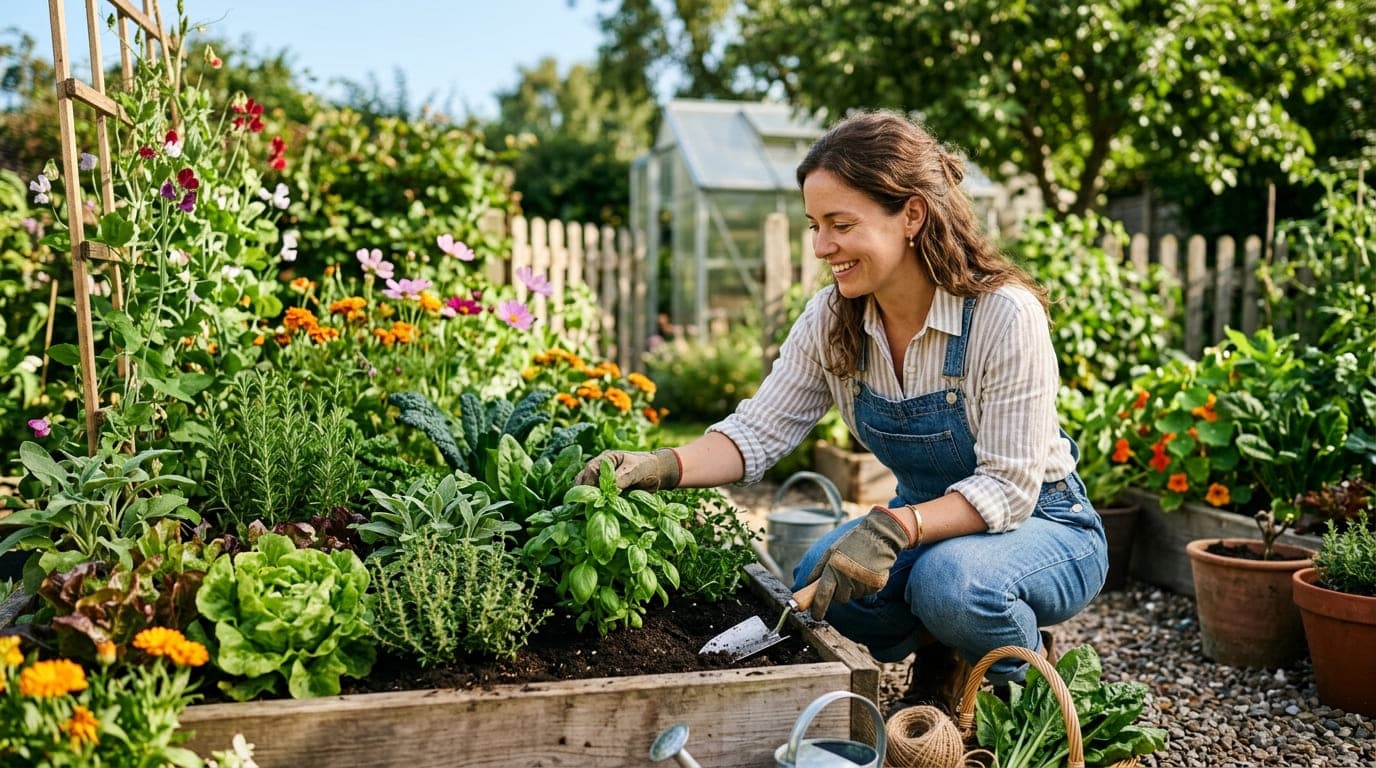
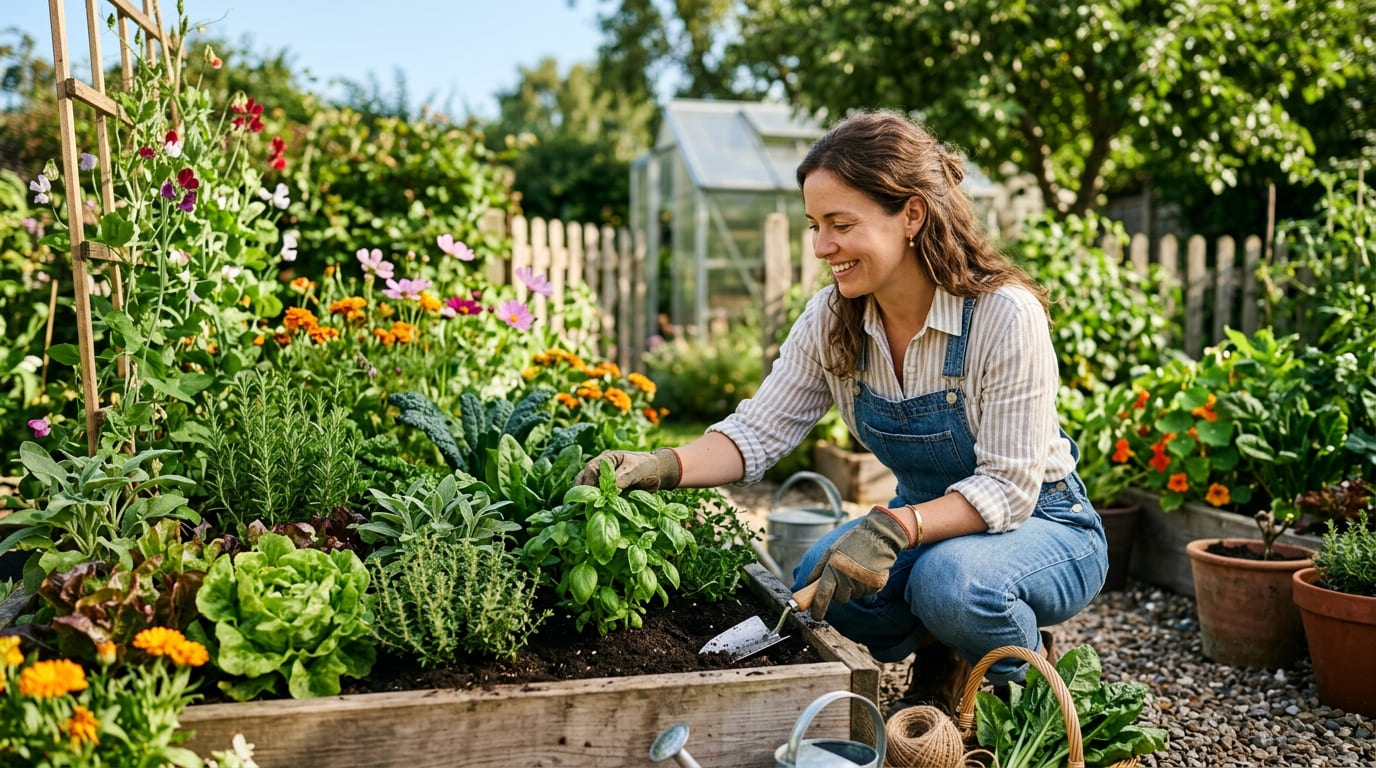
Starting a garden does not have to be complicated. With the right plants, healthy soil, enough sunlight, and a simple watering routine, beginner gardening can become an enjoyable and rewarding habit.
1. Start Small and Keep Gardening Simple
One of the best beginner gardening tips is to start with a manageable space. You do not need a large backyard or dozens of plants to create a successful garden.
A few containers, a small garden bed, or a sunny corner can give you enough space to learn the basics without feeling overwhelmed.
- Start with a few easy-to-grow plants.
- Choose a space you can easily reach and maintain.
- Learn what works before expanding your garden.
2. Choose the Right Plants for Beginners
Choosing suitable plants can make your first gardening experience much easier. Look for plants that match your local climate, available sunlight, and the amount of care you can provide.
Herbs, leafy greens, some vegetables, and hardy flowering plants can be good choices when you are learning the basics.
Beginner Tip
Before buying a plant, check how much sunlight and water it needs. Choosing plants that naturally fit your space can prevent many common gardening problems.
3. Understand How Much Sunlight Your Plants Need
Sunlight is one of the most important factors in plant growth. Before planting, observe your garden during the day and identify areas that receive full sun, partial shade, or mostly shade.
Place each plant where its light requirements are most likely to be satisfied. Too little light can lead to weak growth, while some plants may struggle when exposed to conditions that are too intense.
4. Prepare Healthy Soil
Healthy soil gives plants access to water, air, nutrients, and space for their roots to grow. Before planting, loosen compacted soil and remove large stones or unwanted debris.
Adding suitable organic matter or mature compost can help improve soil structure and support healthy plant growth.
5. Learn How to Water Correctly
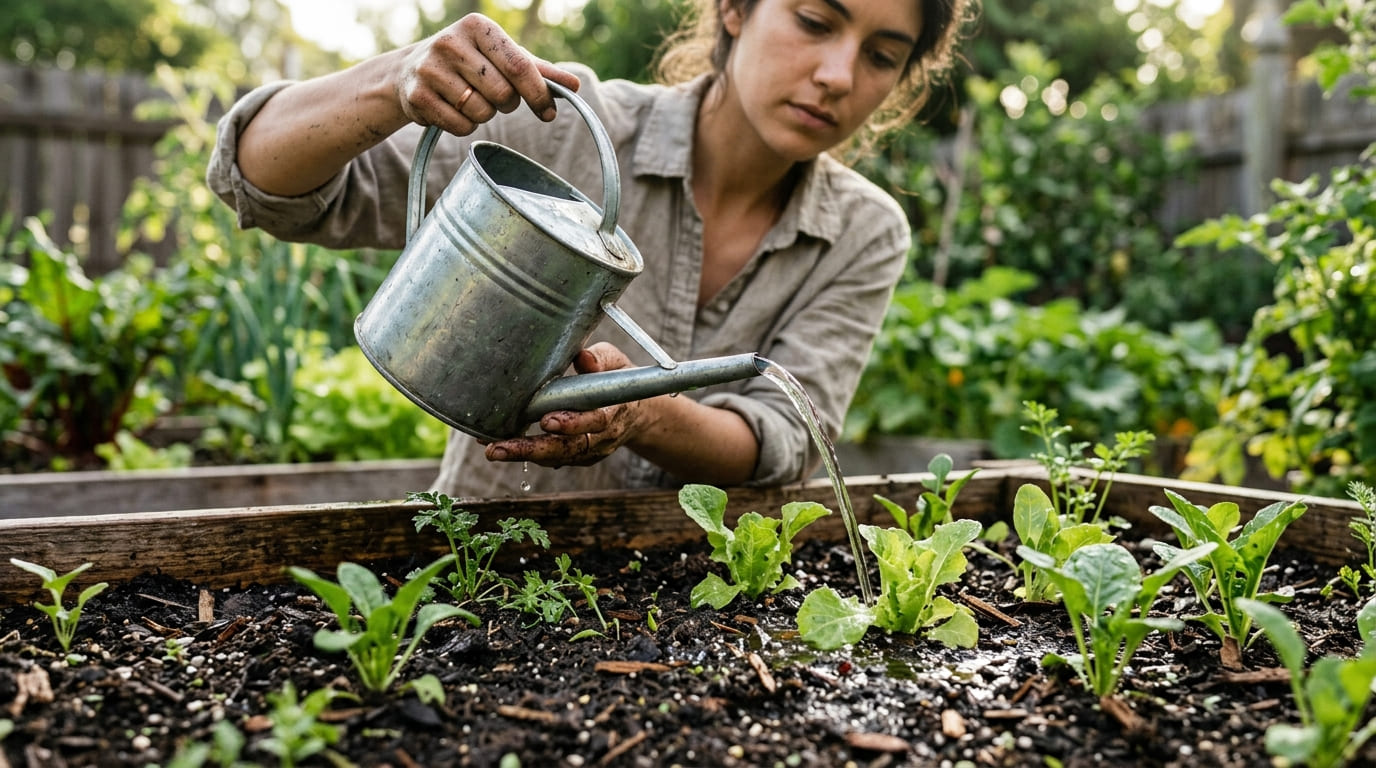
Watering is one of the most common challenges for new gardeners. More water does not always mean healthier plants.
Check the soil before watering and pay attention to the needs of each plant. Water deeply when appropriate rather than automatically watering on a fixed schedule.
- Check the soil before watering.
- Avoid keeping soil unnecessarily waterlogged.
- Water according to plant needs and weather conditions.
- Water the root area rather than constantly wetting the leaves.
6. Make the Most of Small Spaces
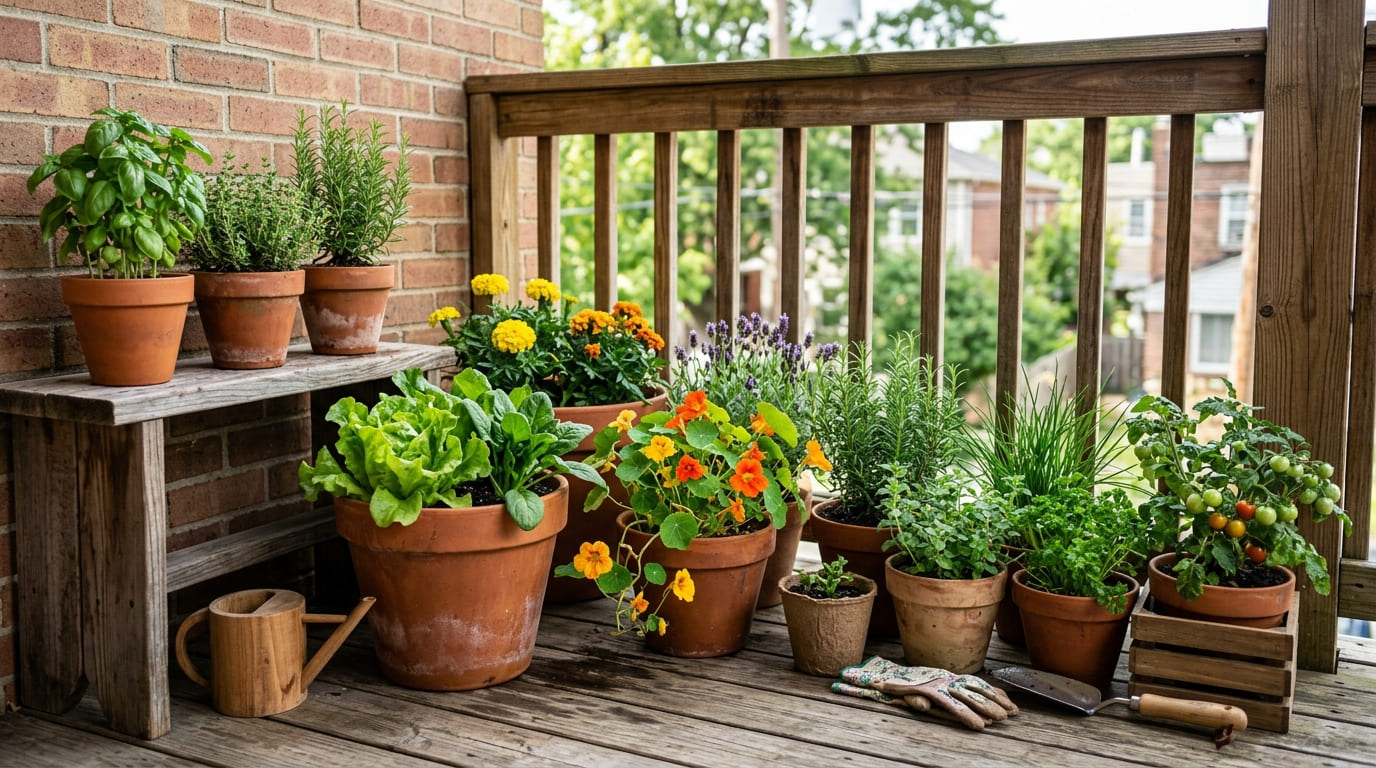
You can start gardening almost anywhere. Balconies, patios, windowsills, containers, and small garden beds can all become productive growing spaces.
Container gardening is particularly useful for beginners because it allows you to control the soil, location, and amount of growing space.
7. Try Container Gardening
Containers are a simple way to experiment with gardening without committing to a large garden bed. Choose containers with enough space for the plant's roots and make sure excess water can drain properly.
You can grow herbs, flowers, leafy greens, and many compact vegetables in suitable containers.
8. Observe Your Plants Regularly
Gardening becomes much easier when you learn to observe your plants. Look at leaves, stems, soil moisture, new growth, and any visible signs of stress.
Regular observation helps you notice problems early and understand what your plants need.
9. Avoid Common Beginner Gardening Mistakes
Many gardening mistakes happen because beginners try to do too much at once. A simple routine is usually more effective than constant changes.
- Do not overcrowd plants.
- Do not water automatically without checking the soil.
- Do not ignore the plant's sunlight requirements.
- Do not add more fertilizer than recommended.
- Do not expect every plant to grow at the same speed.
Keep Learning
Every garden is different. Instead of expecting perfection, use each season as an opportunity to learn what works best in your space.
10. Build a Simple Gardening Routine
Consistency is more important than spending hours in the garden. A simple routine can help you stay on top of watering, weeds, plant health, harvesting, and general maintenance.
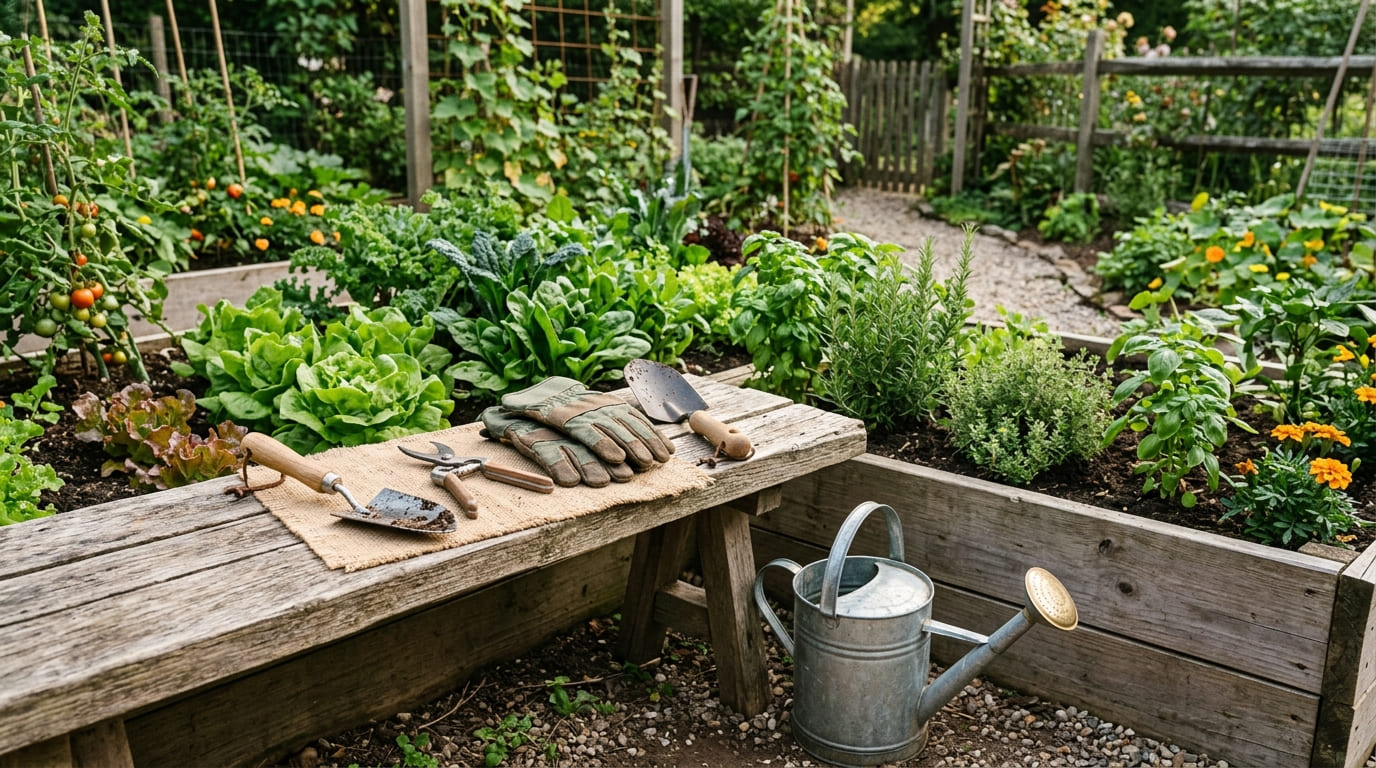
Simple Beginner Gardening Checklist
Before You Start
- Choose a manageable gardening space.
- Check how much sunlight the area receives.
- Select plants suitable for your conditions.
- Prepare healthy, well-structured soil.
- Use containers with proper drainage when needed.
During the Season
- Check soil moisture regularly.
- Watch plants for signs of stress or pests.
- Remove damaged or unwanted growth when appropriate.
- Keep the garden area clean and organized.
- Learn from what works and what does not.
Make Beginner Gardening More Sustainable
Gardening can also be an opportunity to make more sustainable choices. Reusing suitable containers, improving soil with compost, conserving water, and choosing plants that fit your local conditions can all help reduce unnecessary waste and resources.
You do not need to make every part of your garden perfect. Start with practical changes that are easy to maintain.
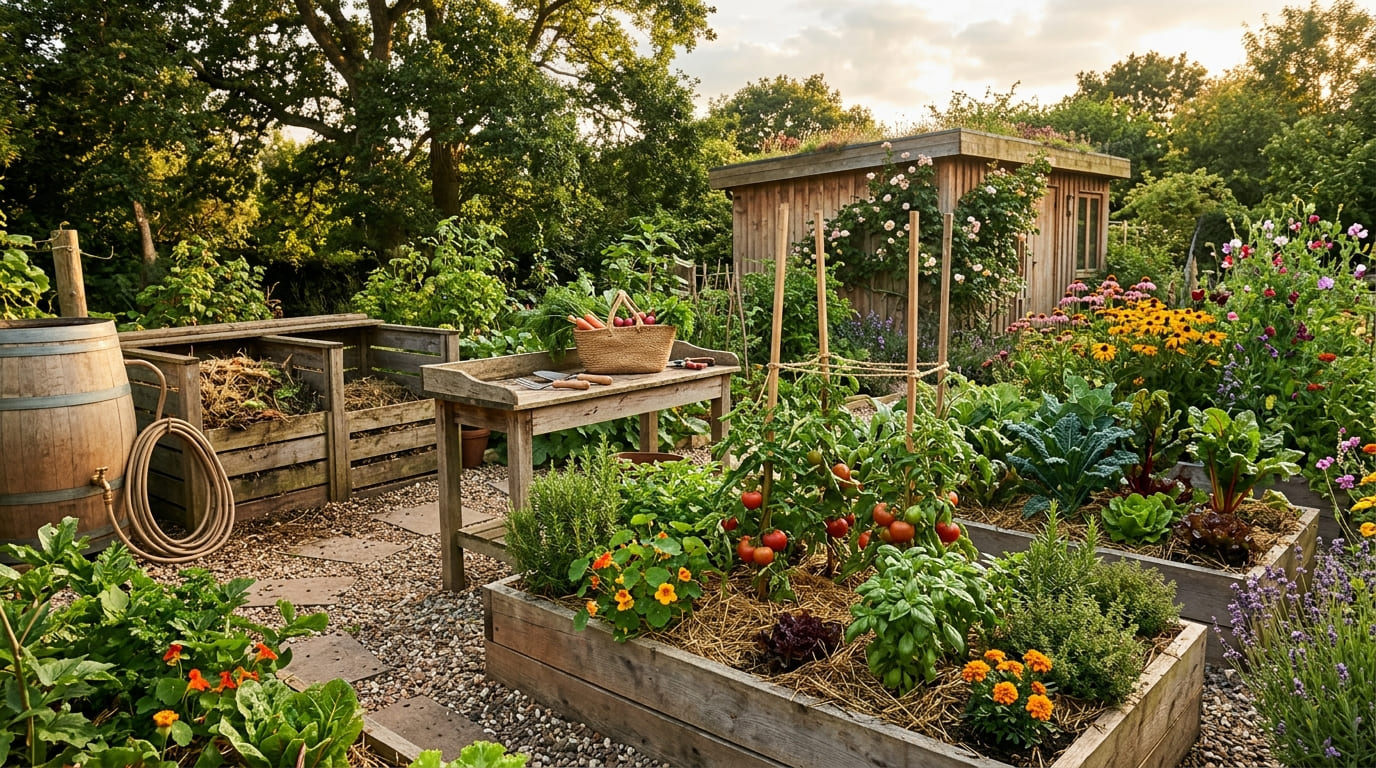
Why Beginner Gardening Is Worth Trying
Beginner gardening is more than simply growing plants. It gives you a chance to spend time outdoors, understand how plants grow, create a greener space, and enjoy the results of consistent care.
The most important thing is to start. Choose a few suitable plants, learn their basic needs, and give yourself time to improve.
Final Thoughts
Starting your first garden does not require expert knowledge. With suitable plants, healthy soil, enough sunlight, careful watering, and a simple maintenance routine, anyone can begin growing successfully.
Start small, observe your plants, learn from every season, and enjoy the process. Your first garden does not need to be perfect—it just needs to be a place where you can start learning.
Start Your First Garden Today
Start small, choose beginner-friendly plants, and build simple gardening habits that help your garden grow healthy and strong.
Explore Beginner GardeningGet Greener Ideas
Join our newsletter for weekly eco-living tips, gardening guides, and DIY projects.